Peroni, o poveste de familie
Companie
Fabrics by tradition, theatre by vocation
The Peroni family of Gallarate has an ancient textile tradition: one of their textile mills was already operating in the pre-Alpine town at the end of the 18th century.
Throughout the entire 19th century, the family continued to focus exclusively on weaving cotton fabrics for domestic use. Their catalogue at the time included curtain fabrics, bed linens, tablecloths, mattress and sofa covers, and much more.
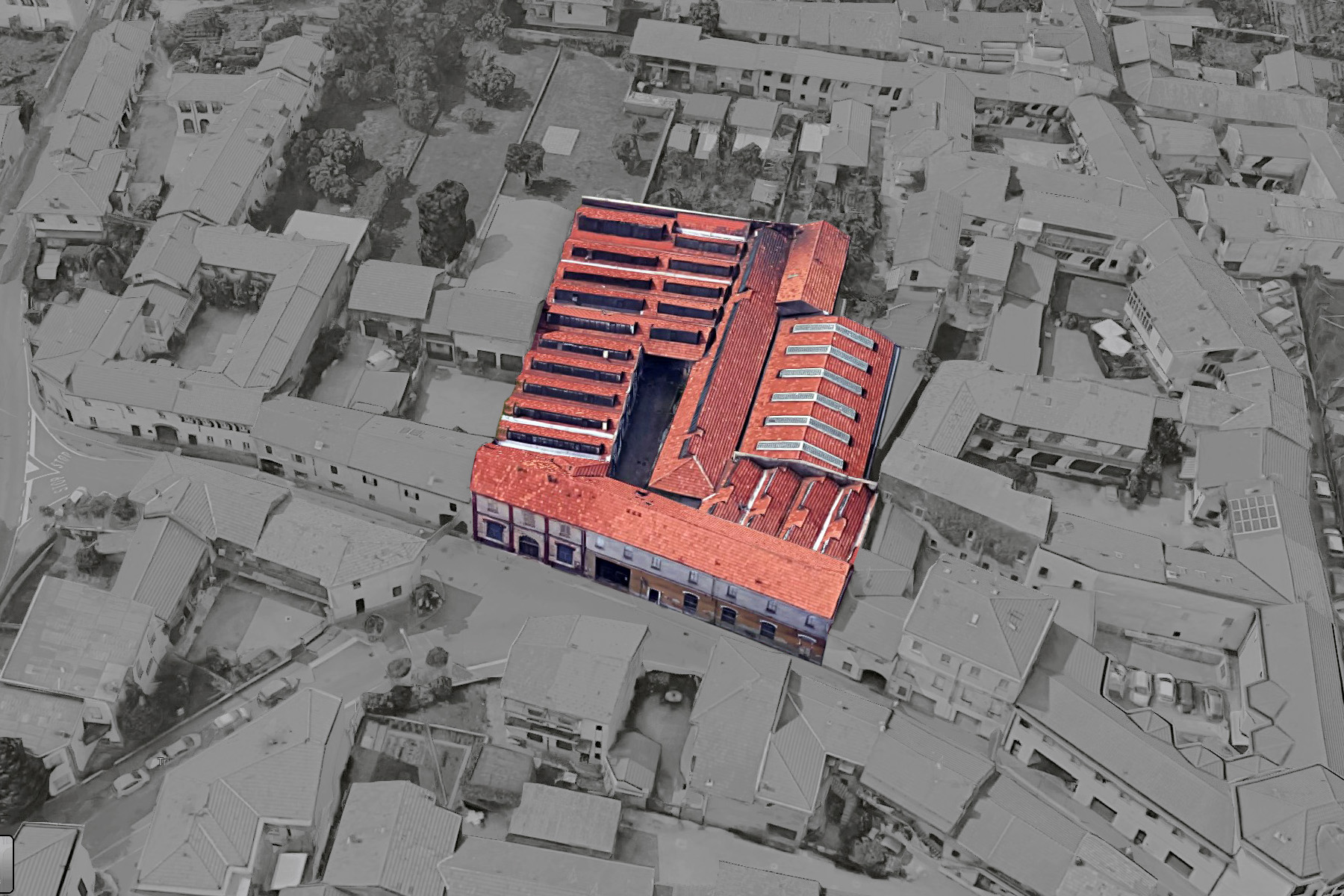
Between 1860 and 1870 Luigi Bernardo Peroni (1824-1907) replaced the hand looms with mechanical ones and at the end of the 19th century, the company, then known as Tessitura Meccanica Peroni, looked as it does in this present-day aerial photograph, as the building still exists today.
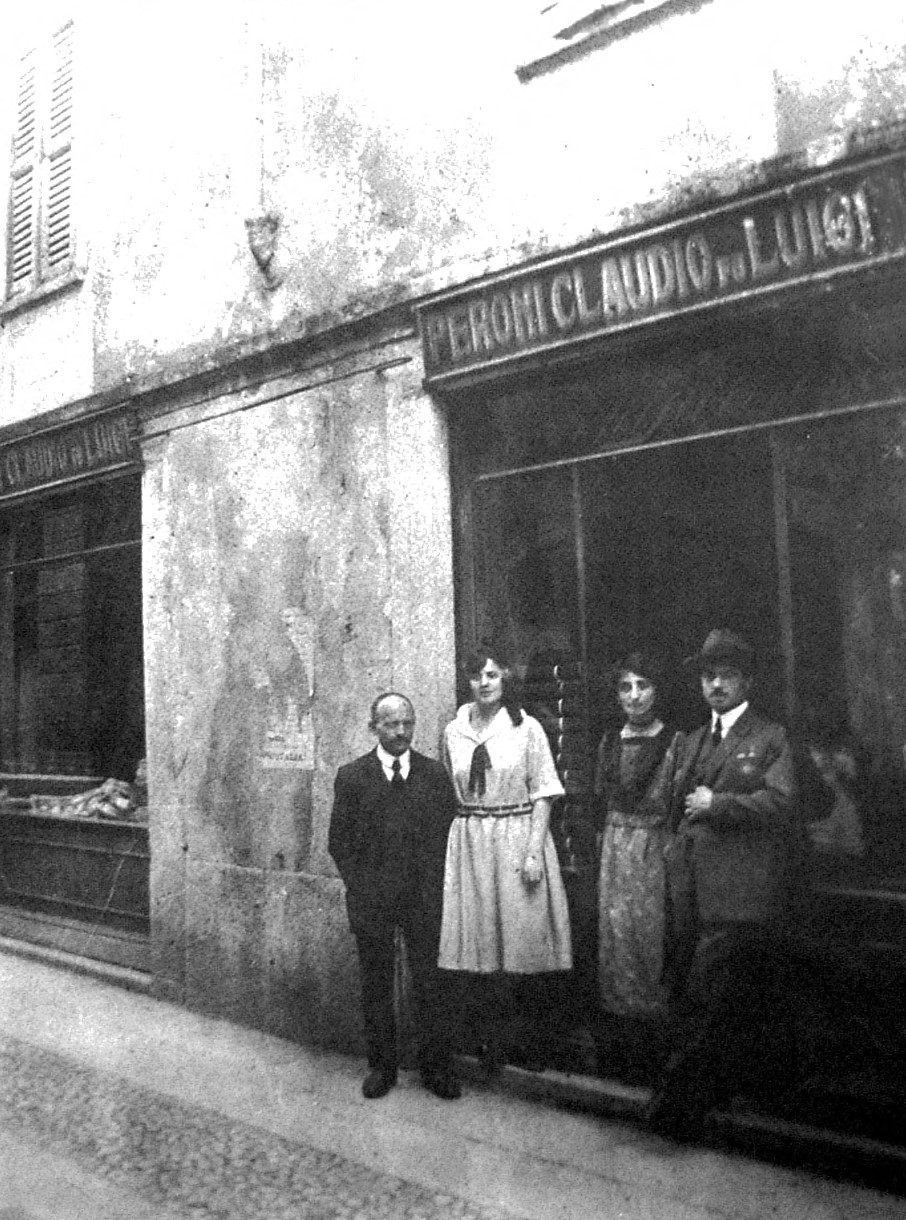
The Peroni mill, one of the many operating in what was then the hub of Italian cotton manufacturing, marketed its fabrics through a network of agents and also operated a retail store in the centre of Gallarate. The shop can be seen in a photograph where, on the right, the owner at the time, Claudio Peroni (18601938), the son of Luigi Bernardo, poses together with several collaborators.
It was during this period that Peroni established its first commercial relationships with the scenery workshops of the major theatres of Northern Italy, which found in the Gallarate company the basic cotton fabrics then used for stage scenery: scenic muslin, pelle ovo, cencio di nonna, tarlatan, and so forth.
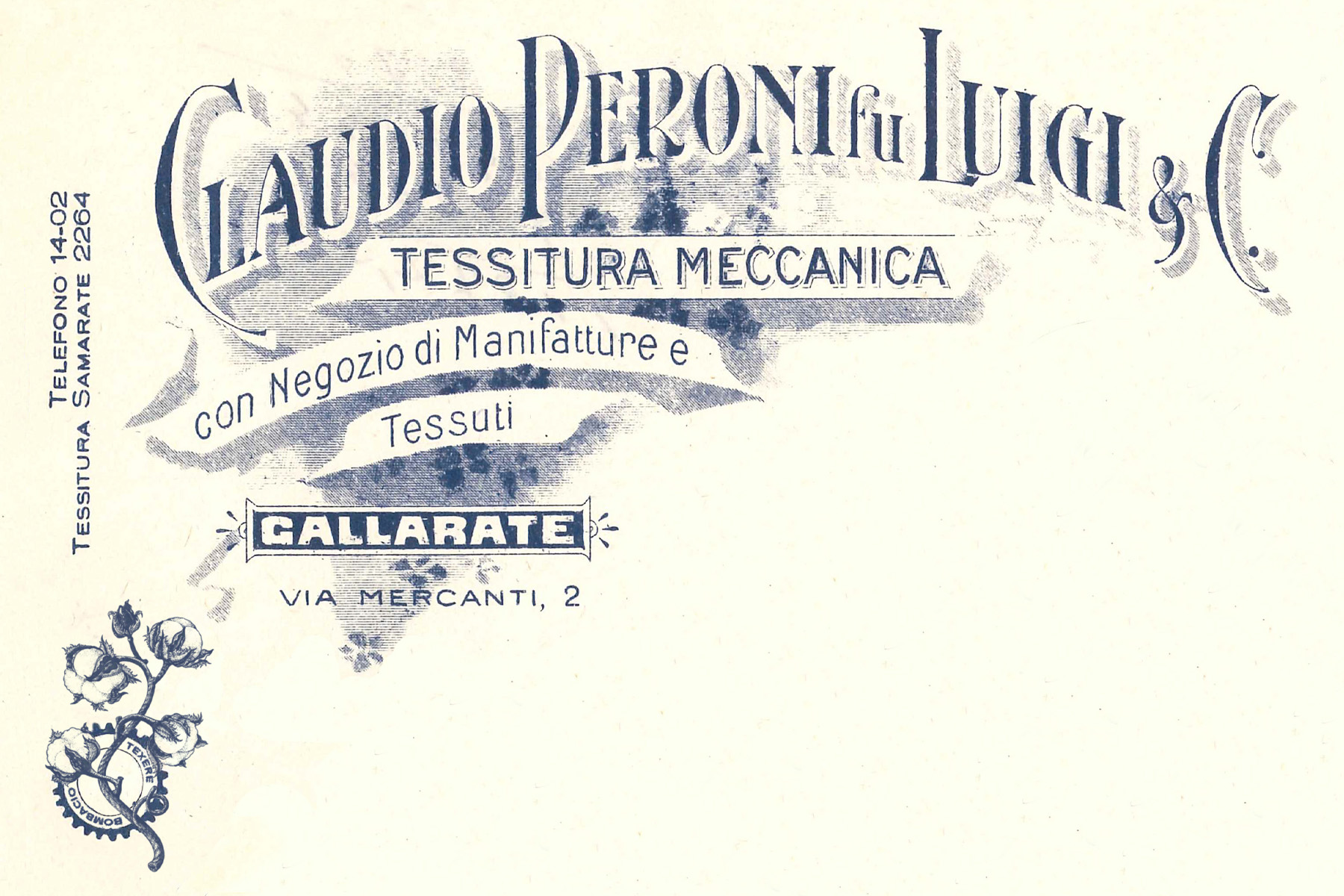
At that time, Peronis trademark was the one visible at the bottom left of this vintage postcard.
It depicts a branch of a cotton plant with four flowers and a gearwheel symbolizing weaving by mechanical looms, accompanied by the Latin inscription «Bombacio texere»: to weave cotton.
Influenced by its increasingly frequent contact with the theatre world, Peronis activity gradually became less prosaic, as its fabrics began to be conceived not only for domestic purposes but also for scenic applications.
Then, in the early 1950s, Luigi Peroni (19281994), a nephew of Claudio and barely in his twenties, who would later become a respected and socially engaged figure in Gallarate, began to methodically develop the companys relationships with theatres, offering an ever-growing range of specially designed fabrics.
Among other innovations, he equipped the weaving mill with a 12-metre-wide projectile loom for producing extra-wide cotton muslin intended to be painted by scenic artists.
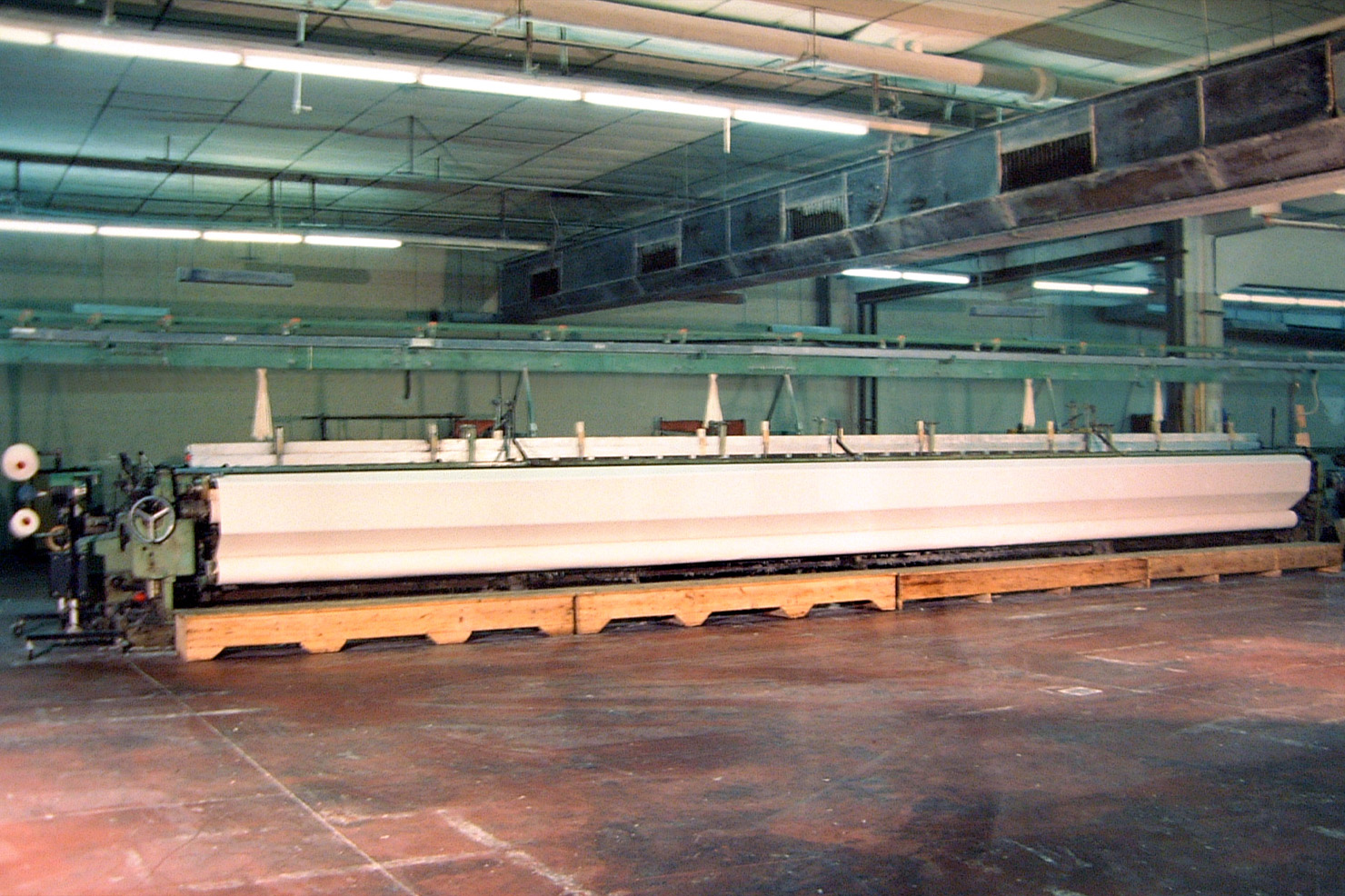
Drawing upon his textile expertise, Luigi also expanded the range by commissioning a varied assortment of specialty fabrics: tulles, silks, and velvets which, purchased unfinished, were further processed in the finishing plants of the Gallarate industrial district, which at that time possessed every link in the textile production chain.
It was within this manufacturing environment that Michele Peroni, Luigis son, born in 1955, grew up and was trained.
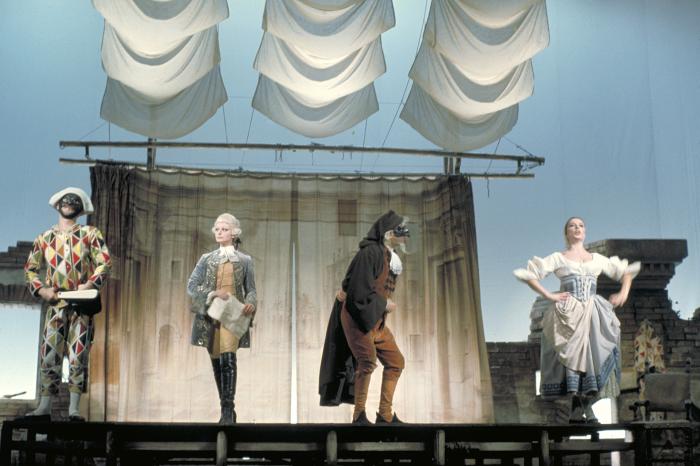
In 1977, guided both by his fathers experience and by his own passion for theatre and opera, Michele decided to orient Peronis activity exclusively toward the service of scenography and stage technology.
Outgoing like a vaudeville actor, he quickly became one of the most well-known and beloved figures among stagehands, lighting technicians, decorators, costume designers, directors, and set designersthat behind the scenes world which, almost anonymously, creates theatrical productions every day.
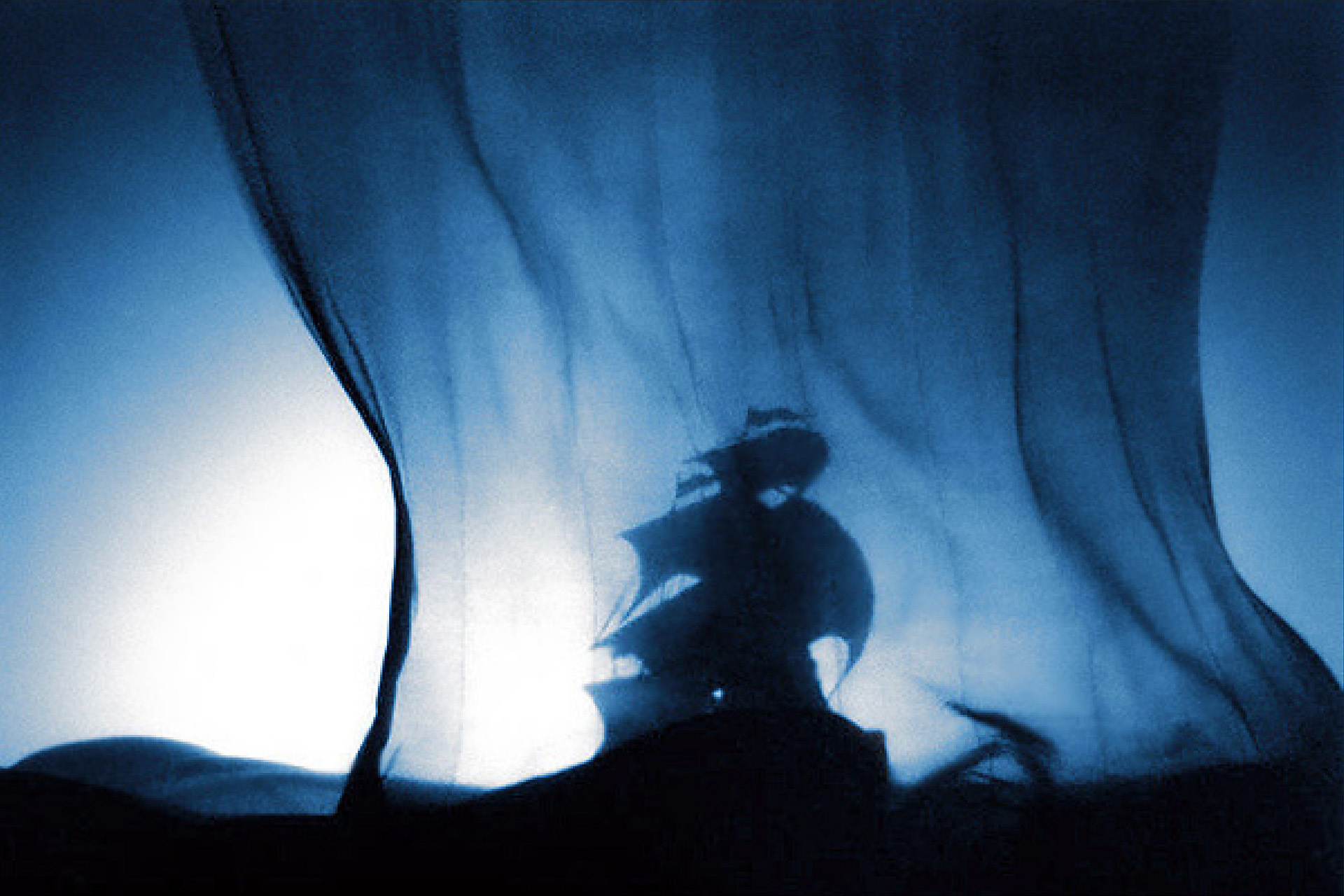
On March 16, 2000, people arrived in Gallarate from all over the world and by every means possibleeven by minibus from Teatro alla Scalafor a final farewell to the man who, over the course of two decades, had made the Gallarate company internationally famous within the entertainment industry.
How did he achieve this? From the very beginning, Michele subjected his extra-wide scenic canvases and tulles to flame-retardancy testing until he achieved optimal fire resistance.
Gradually, he introduced into Peronis scenography catalogue a myriad of new fabrics, followed by plastic materials, dance floors, and movement systems for stages and curtains, all of which he personally designed, tested, brought into production, and marketed.
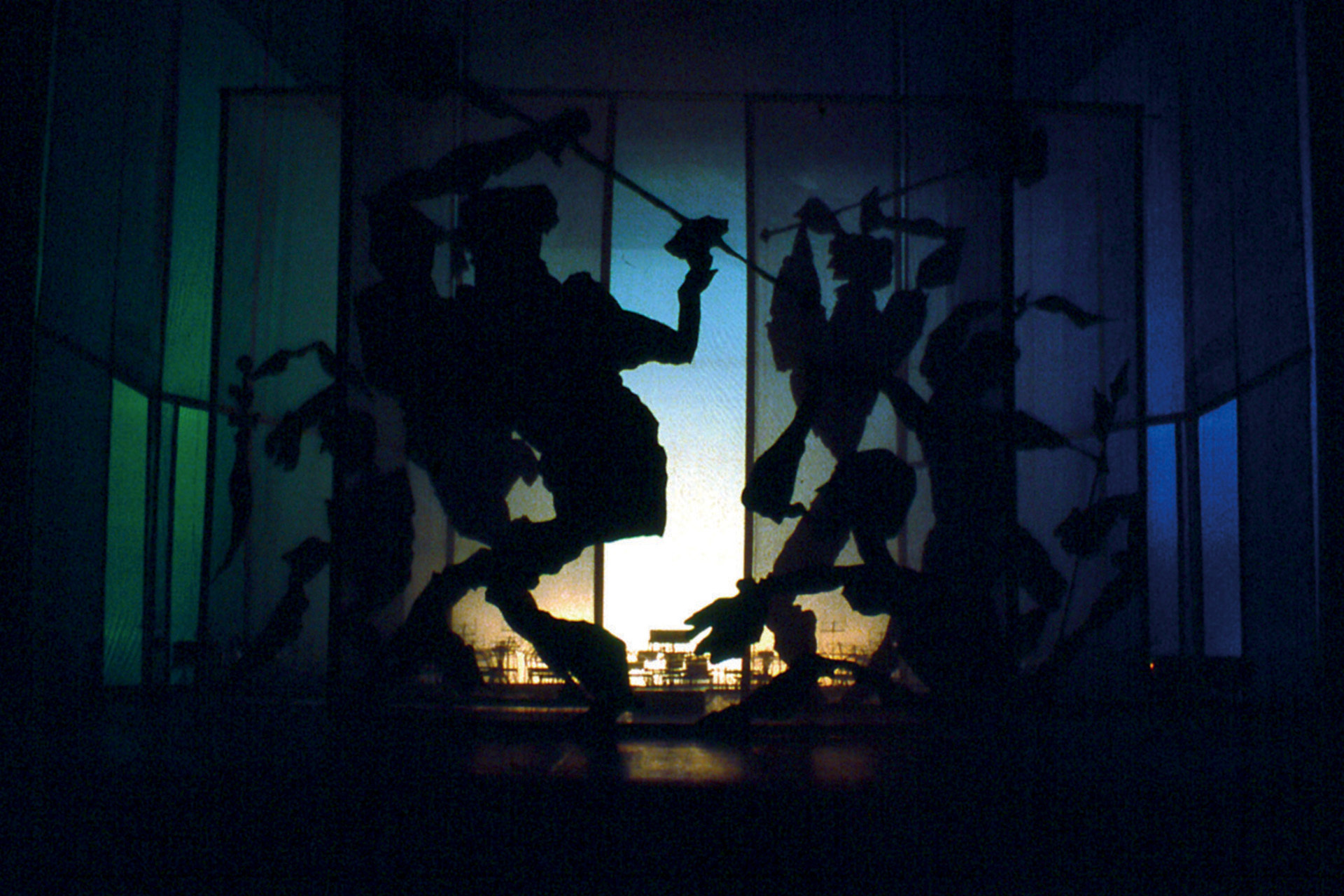
Peronis reputation grew through word of mouth among industry professionals who increasingly turned to Michele not only for products, but also for advice.
Thus developed the company philosophystill based today on flexibilityto meet the demands of clients constantly seeking visually striking products, for whom compliance with safety regulations, product value, after-sales support, and fast delivery times are essential, since the entertainment world is perpetually racing against time.
In this context, a tragic event occurred in Italy in February 1983, causing a turning point in the market for materials intended for entertainment venues.
In the Cinema Statuto fire in Turin, 64 people died because of the inadequacy of the materials used in the furnishing of the theatre.
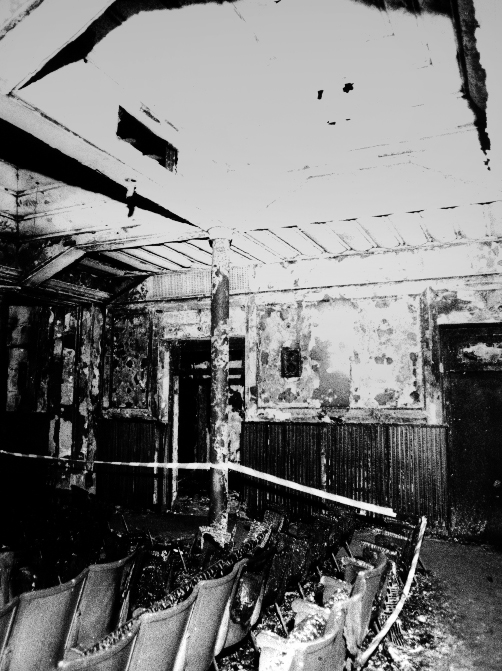
As often happened in Italy, the regulations governing such materials were outdated.
Parliament hurried to address the delay and, in 1984, issued a ministerial decree that revolutionized a market which was suddenly forced to modernize.
Peroni of Gallarate, however, was already prepared: thanks to Micheles foresight, its materials had already passed the strictest flame-retardancy tests.
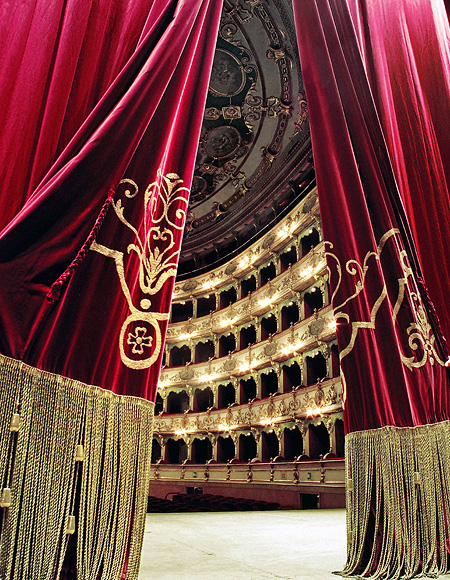
This head start gave tremendous momentum to the development of a company that, in the following years, became increasingly well known outside Italy as well.
Meanwhile, Peroni had also begun internally preparing its own materials so they would be ready for use.
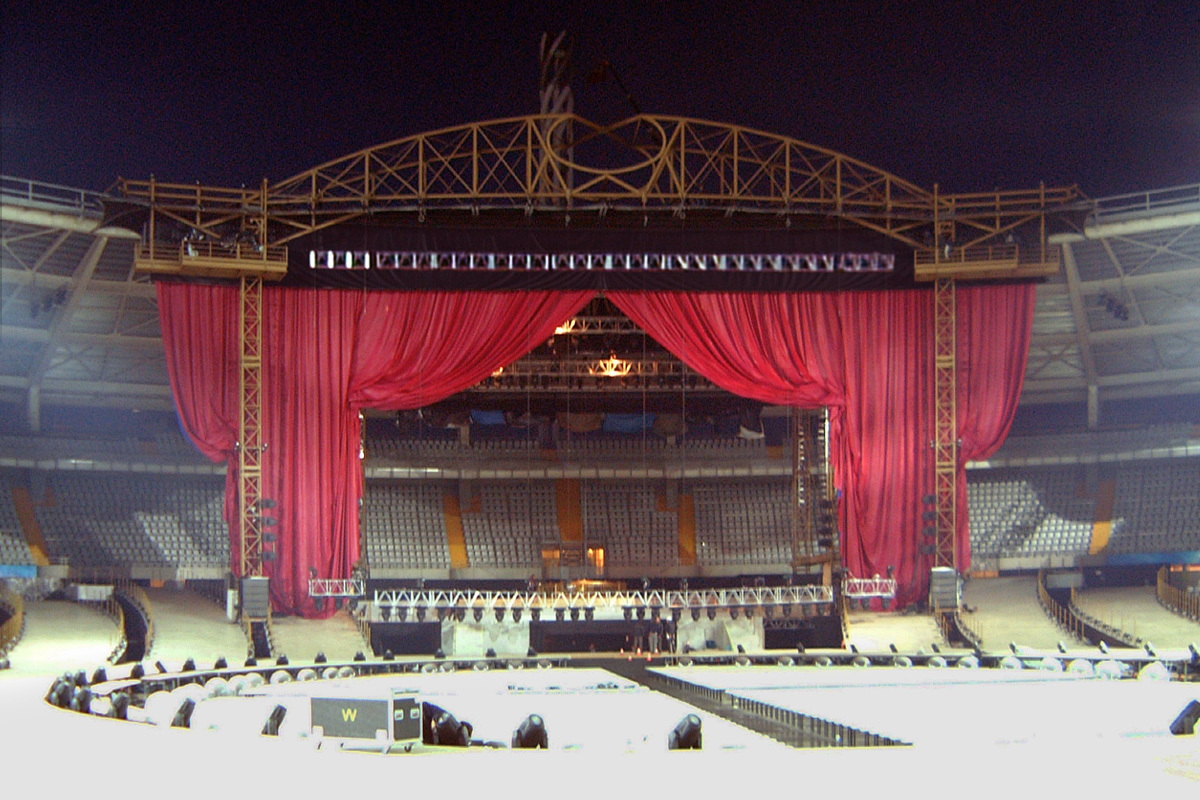
The company launched the production of curtains, backdrops, and cycloramas made of fabric, alongside the manufactureusing special vinyl filmsof screens and cycloramas for projection and rear projection.
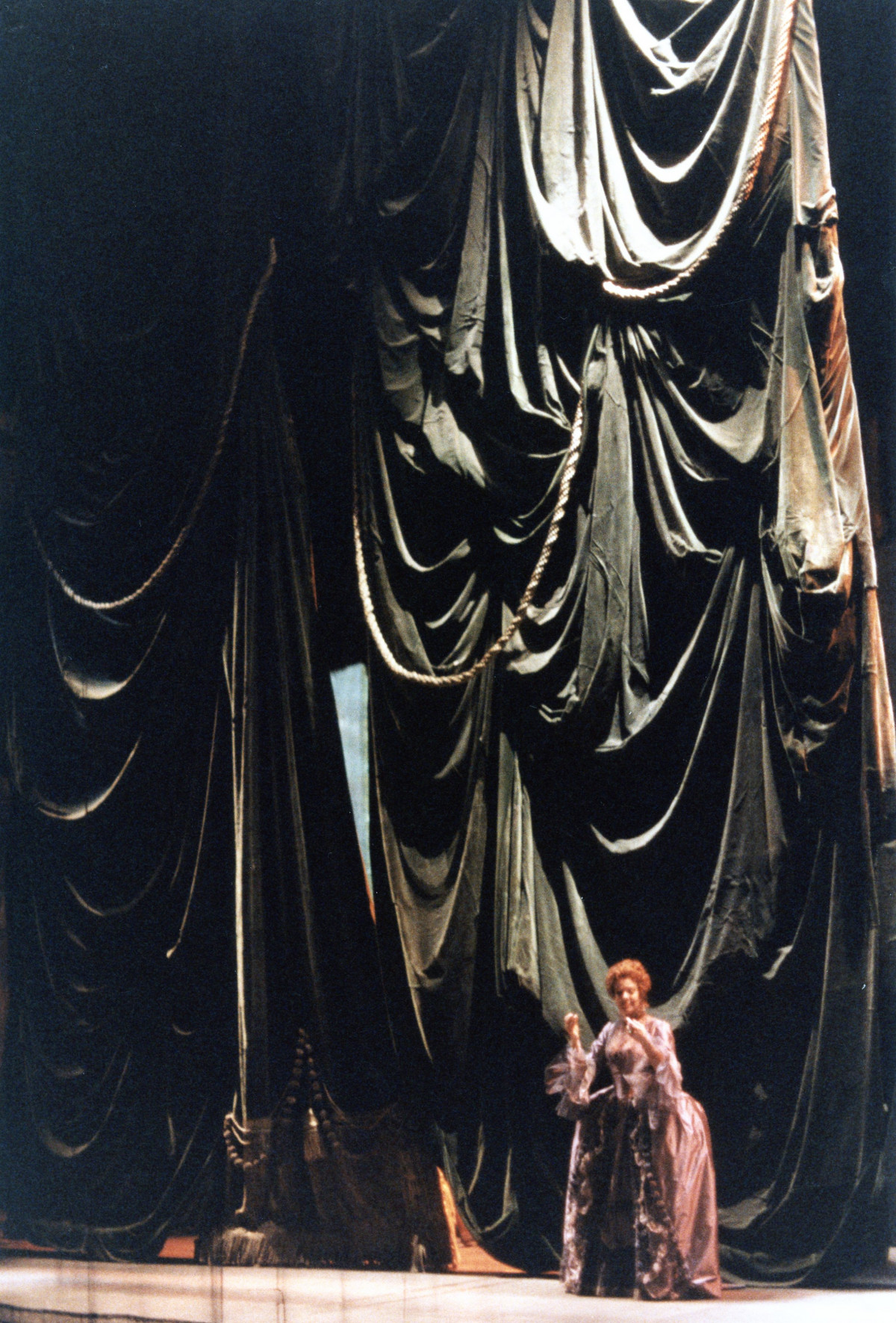
The mechanical systems designed to move them soon became equally successful.
At this point, Michele had created a product range that would make Peroni an international benchmark in its sector, as its products began to be requested not only by Italian and European theatres, but by theatres throughout the world.
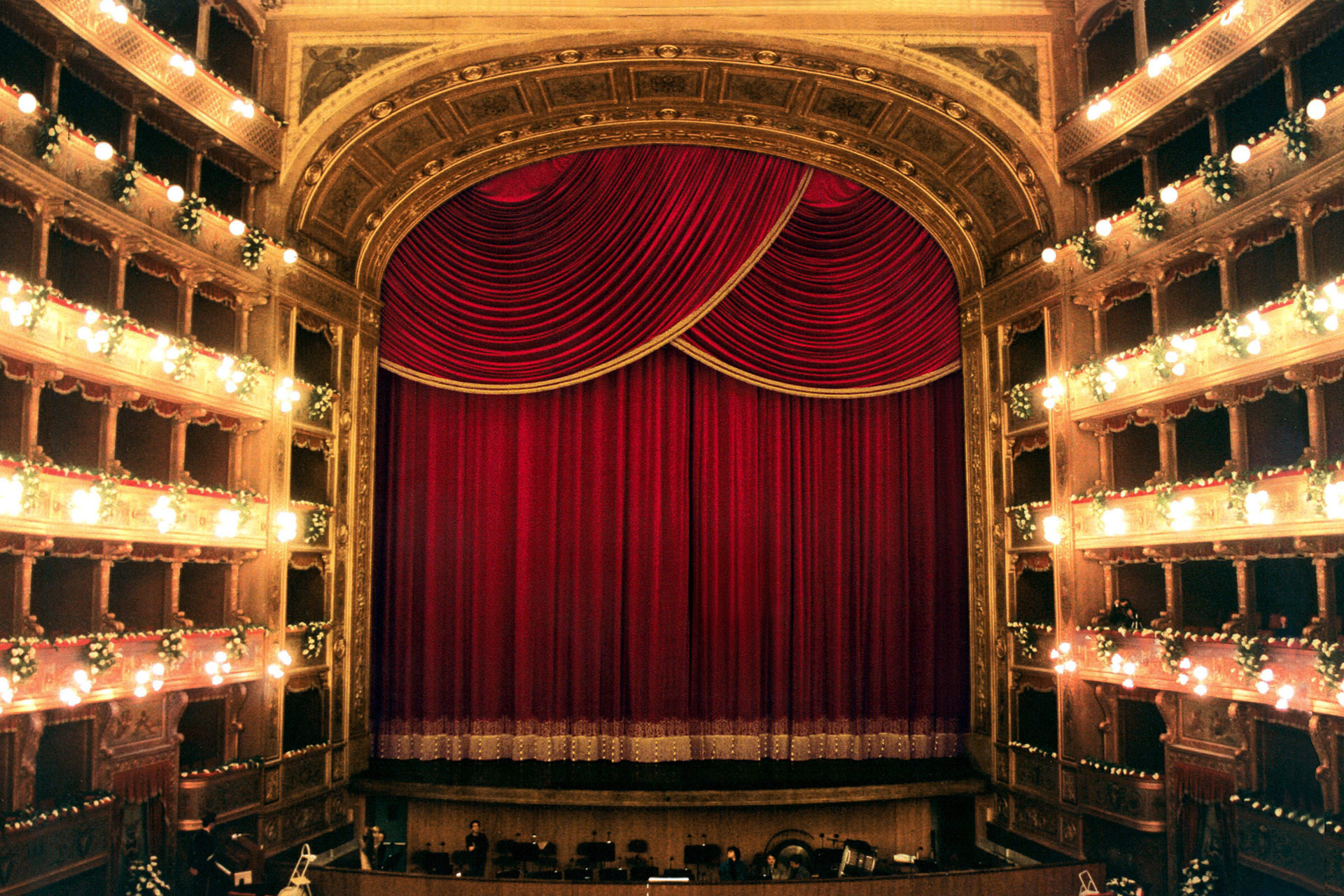
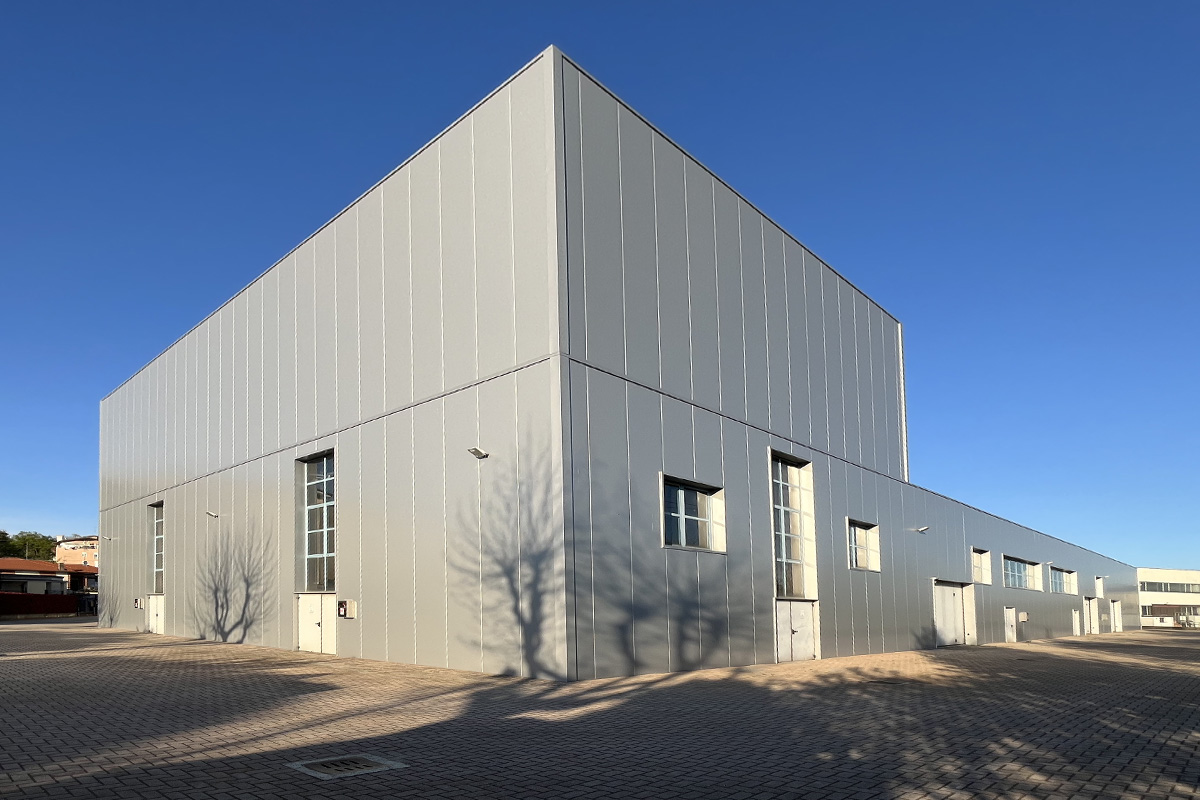
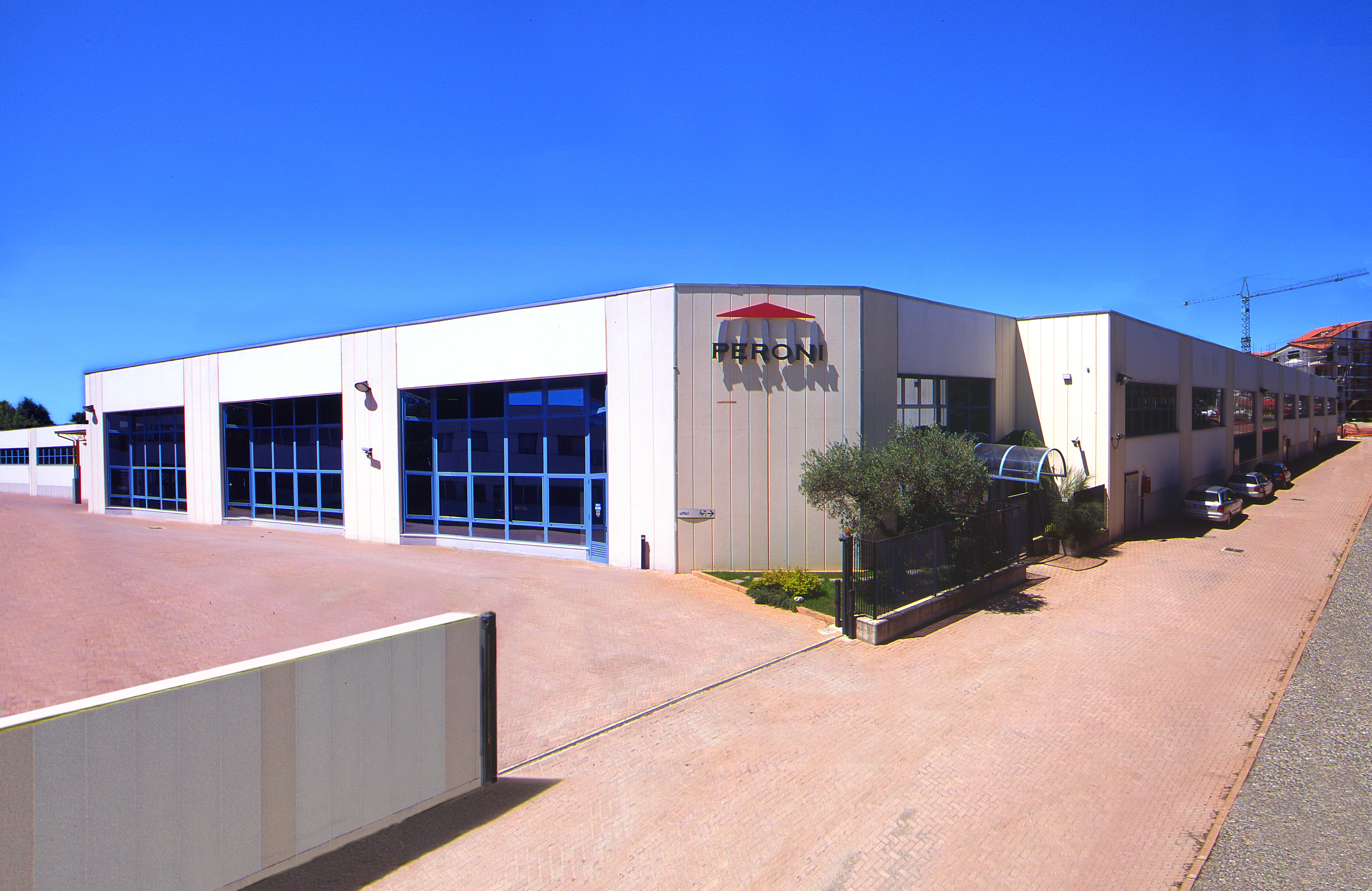
After two decades of growth, Peroni inaugurated its new Gallarate facility in 1998.
As the millennium drew to a close, everything seemed to be going perfectly.
Peroni had invested heavily in its future, clients were satisfied, and the scenography market was expanding as an increasing number of events and productions drew upon theatrical expertise.
Then came March 10, 2000. It was a mild early afternoon, one of those days when motorcycle enthusiasts, after the dullness of winter, reopen their garages to see chrome shining in the sunlight.
After travelling millions of kilometres from one theatre to another, on roads and airplanes across the globe, Michele lost his life in a simple motorcycle accident just a few hundred metres from Peronis headquarters.
The company he left behind was still family-run, but within its market it had become one of the best-known names, not only in Europe.
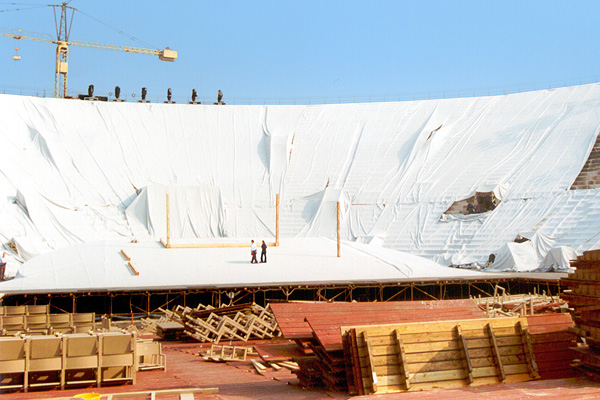
It is one of his last photographs.
People wondered what would happen next: Micheles children were still too young to take over the complex activity of the Gallarate company.
Then someone stepped forwardunexpectedlyfrom behind the scenes, where she had always remained.
She was a petite woman, a housewife in her forties, with no specific technical background, and everyone advised her against embarking upon the improbable and complex challenge before her.
But she was determined that what she had seen her husband create would not be lost.
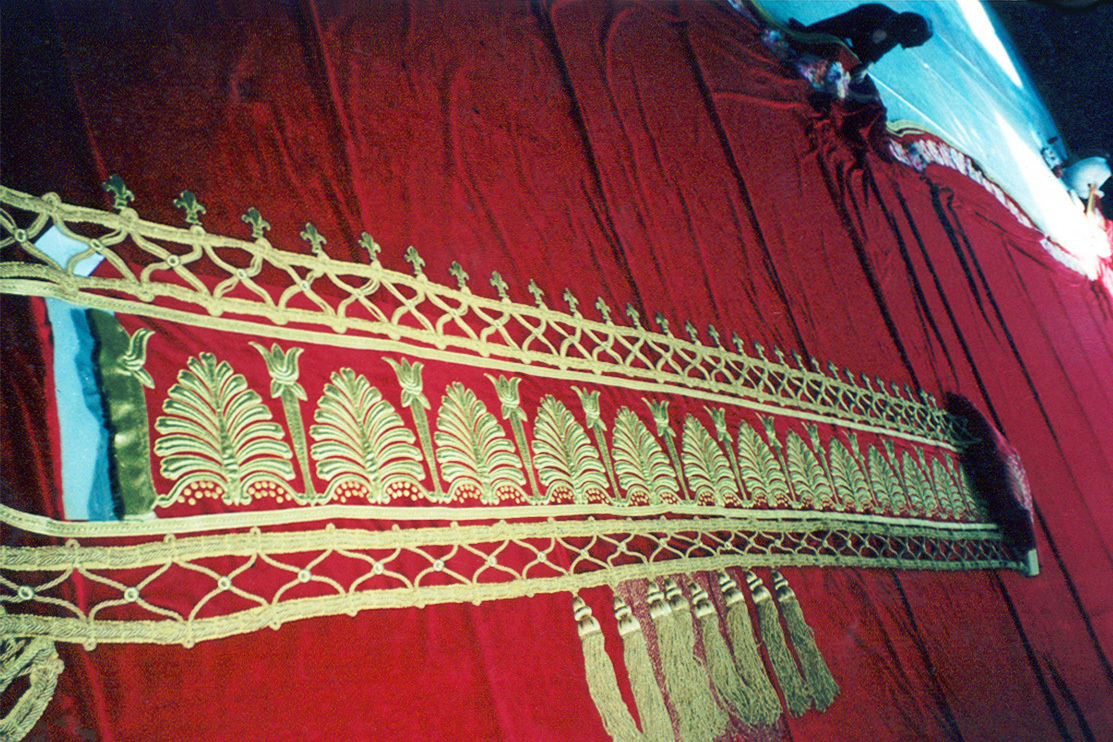
Perhaps, however, she had not merely watched. «I sewed the very first curtain myself», she revealed.
Once her determination became clear, everyone rallied around her, and the adventure resumed.
«When we need to make an important decision, I consult with my collaborators», says Elisabetta Peroni, the petite lady.
«First of all, we ask ourselves what Michele would have done.
Then we reflect and decide for ourselves, often even differently from what we believe Michele would have done».
What did the company think at that moment about the arrival of the new boss?
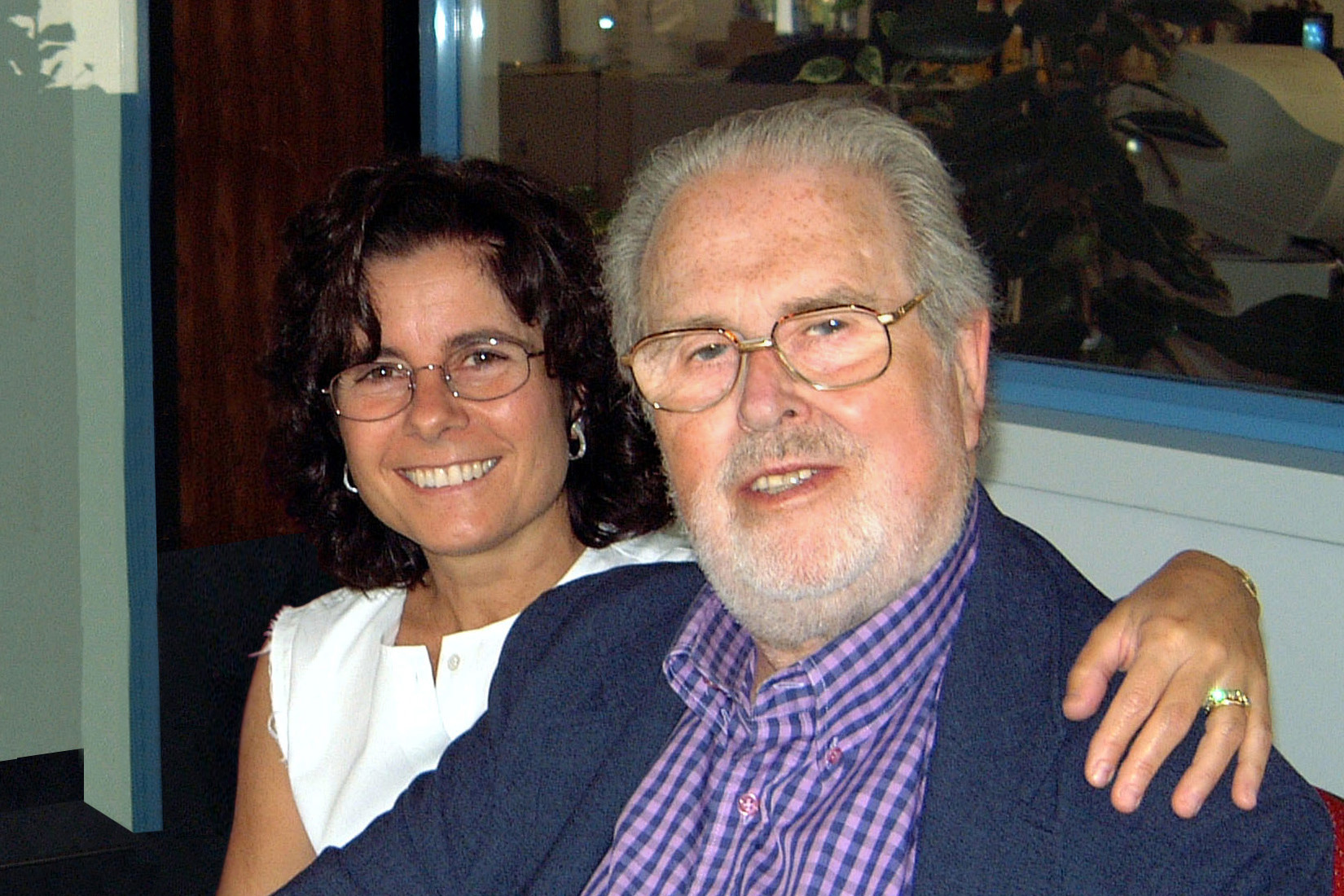
Architect Gianni Crevacore, who would serve as Peronis technical manager over the following twenty years, remarked with a smile:
«It would seem her methods work. We havent experienced any disruption; everything is continuing as always».
Whose merit was that?
«After Micheles passing, we all tried to do even better than before. The clients immediately placed their trust in us. I dont think anyone regretted it.».
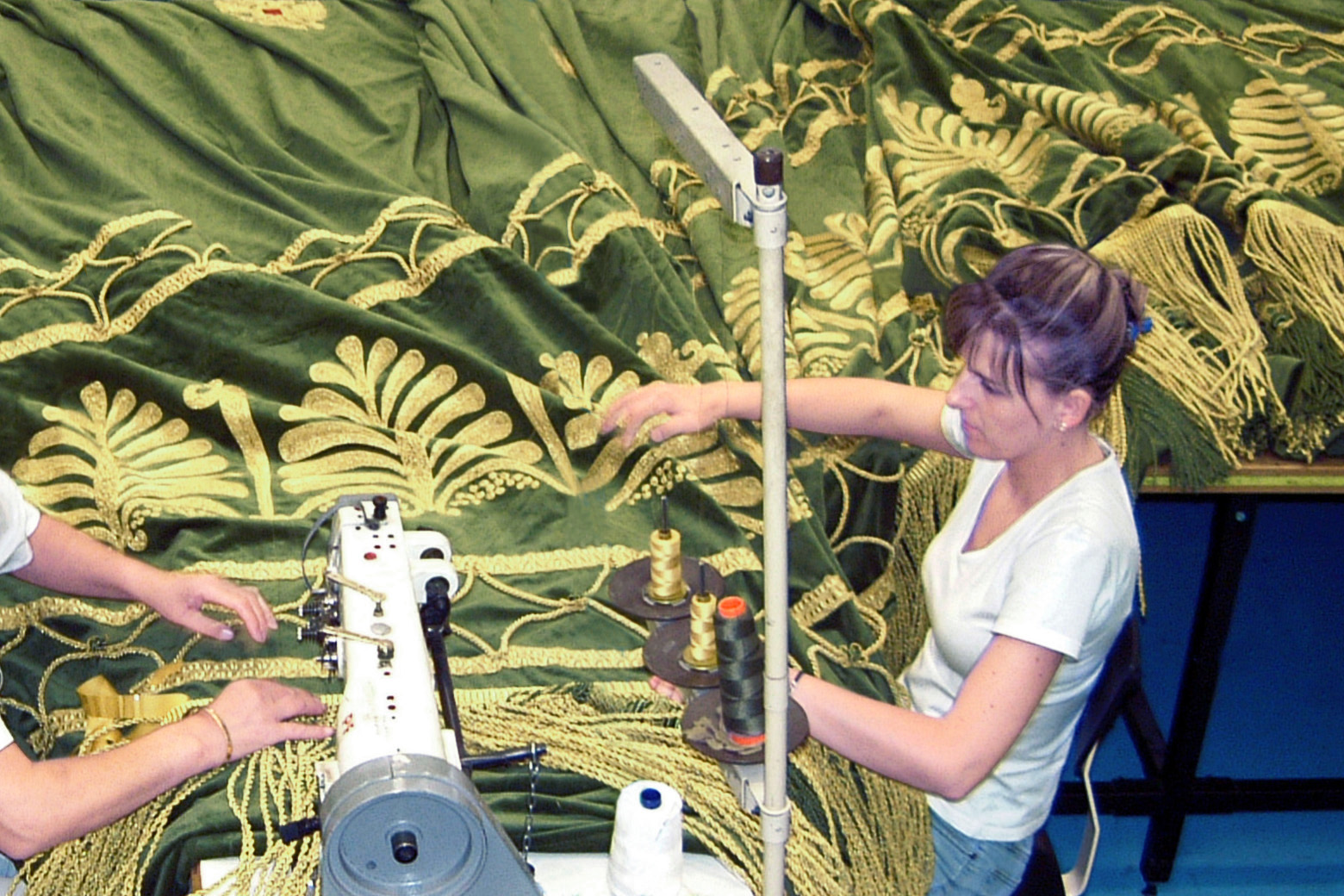
At this point, a pause for reflection is necessary, because in the final lines of this account there is something that does not quite add up.
How could it be that, at the end of the 1970s, a young woman barely in her twenties could suddenly sew a theatrical curtain with no experience?
What magical intervention prevented a disastrous outcome?
In reality, no miracle had occurred, todays Peroni is in fact the result of the convergence of the histories of two Italian families: Micheles and that of his wife Elisabetta.
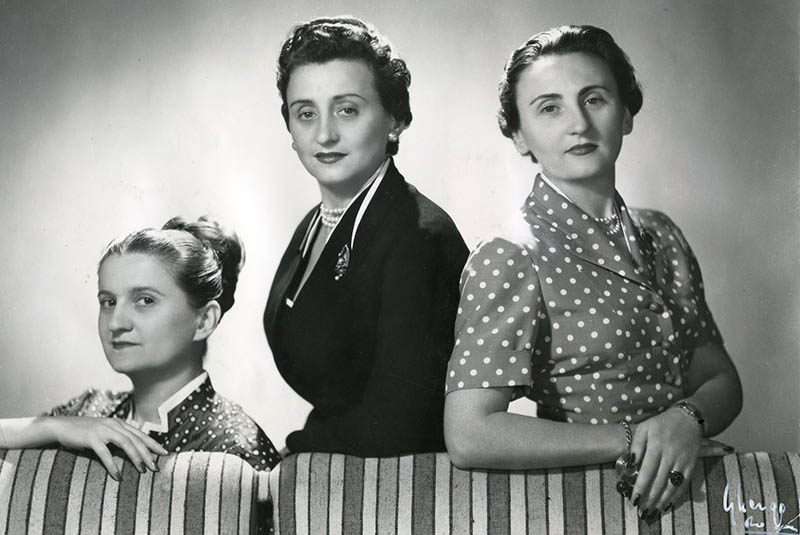
Betty had an aunt who, in the late 1940s, though still very young, had already trained as a seamstress and spent two years specializing in Rome in the atelier of three sisters from Parma who had moved to the capital a few years earlier.
They were none other than the Sorelle Fontana, who would soon become the personal dressmakers of Hollywoods greatest stars and achieve worldwide fame, becoming the first great icon of Italian fashion and Made in Italy.
Once she returned home, aunt zia Antonietta (19212018) passed that experience on to Elisabettas parents who, having moved to Gallarate from the Veneto countryside, opened a tailoring workshop beneath their home.
Even during elementary school, little Betty, once she had finished her homework, would go downstairs into the workshop to play among the fabrics and sewing machines of what would gradually become an industrial company.
By the end of the 1970s, when Elisabetta married Michele, that company employed nearly 800 people.
So when Betty sewed the first curtain produced by Micheles company, it was not the reckless act of someone inexperienced, but rather a return home, because she already knew everything about fabrics, scissors, sewing machines, and tailoring techniques.
And when she felt it was her duty to succeed her husband, nobody needed to teach her anything.
Indeed, it was she who enriched with her own experience a tailoring department already renowned in the world of theatrical scenography.
Thus, in the story of a Lombard textile company founded at the end of the 18th century and gradually redirected throughout the 20th century toward the service of scenography until it became fully dedicated to it, another industrial story became intertwinedone that had arisen from nothing, as often happened in post-rural post-war Italy.
Its success derived, through the experience of an aunt, from the craftsmanship of the legendary Fontana Sisters: the women who dressed Hollywood and Romes Dolce Vita, becoming the founding mothers of one of the most celebrated branches of Made in Italy.
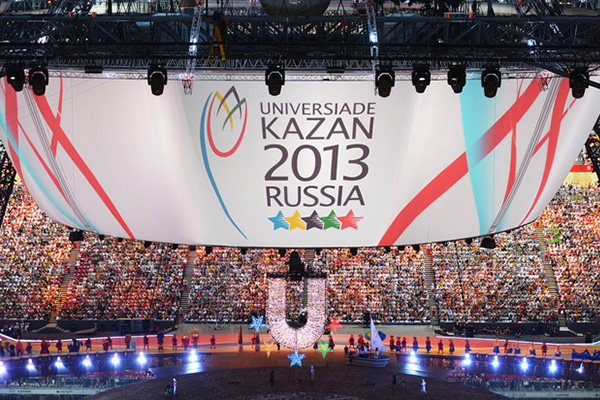
A few years after Micheles fatal accident, his children gradually joined the company one by one and, alongside Betty, profoundly modernized Peronis organization.
The development of innovative materials and mechanical systems became systematic, while internal production processes were modernized, albeit without sacrificing their artisanal character.
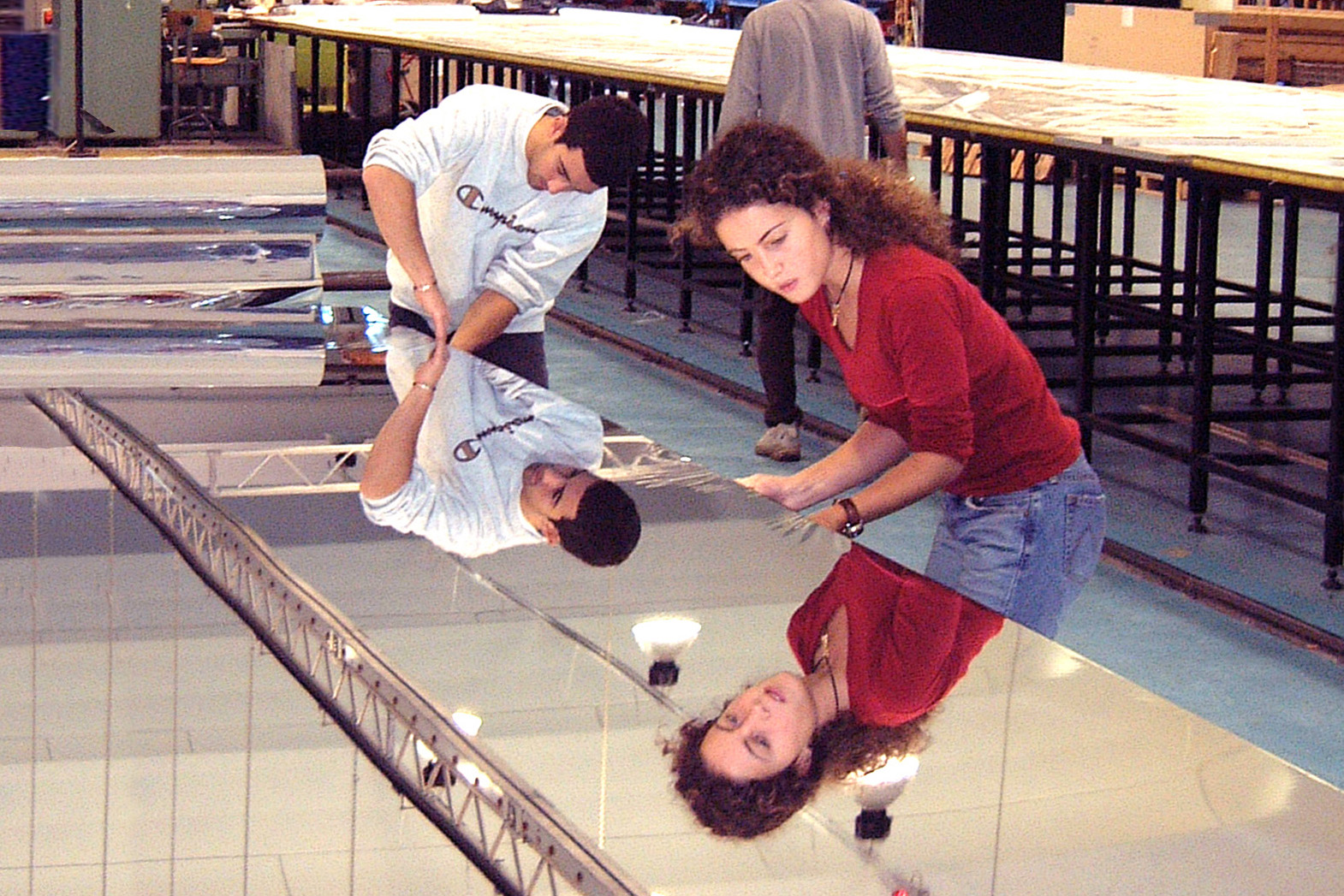
Increasing attention was also paid to environmental impactan issue that had in fact never been neglected, even before the market developed todays sensitivity, thanks in part to a distinctly female awareness of the matter.
Today, women make up three quarters of Peronis workforce. They are the majority at every level, beginning with management itself.
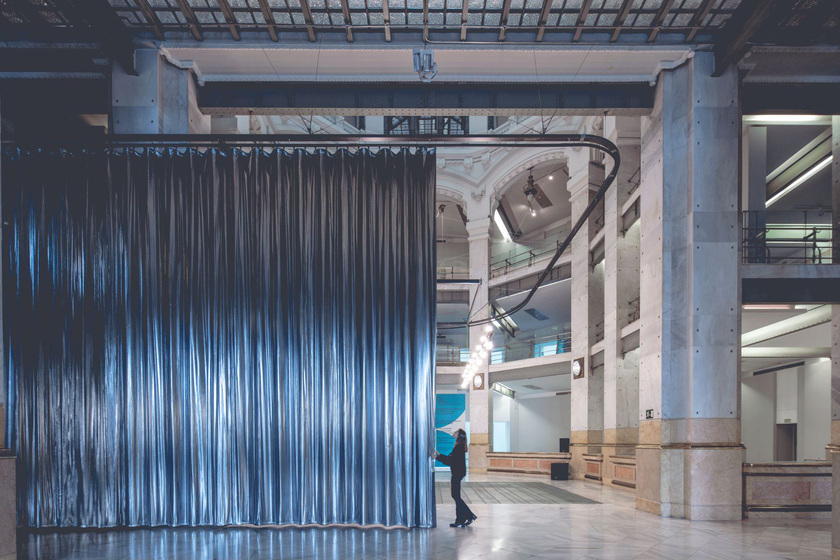
Bettys dream of ensuring that what Michele had created through so many sacrifices would not disappear was therefore rewarded.
And today one realizes that, almost unintentionally, not only the centuries-old history of Peroni was preserved, but also the lifetime of patient dedication to work accumulated by her parents was not lost either.