Emanuele Luzzati
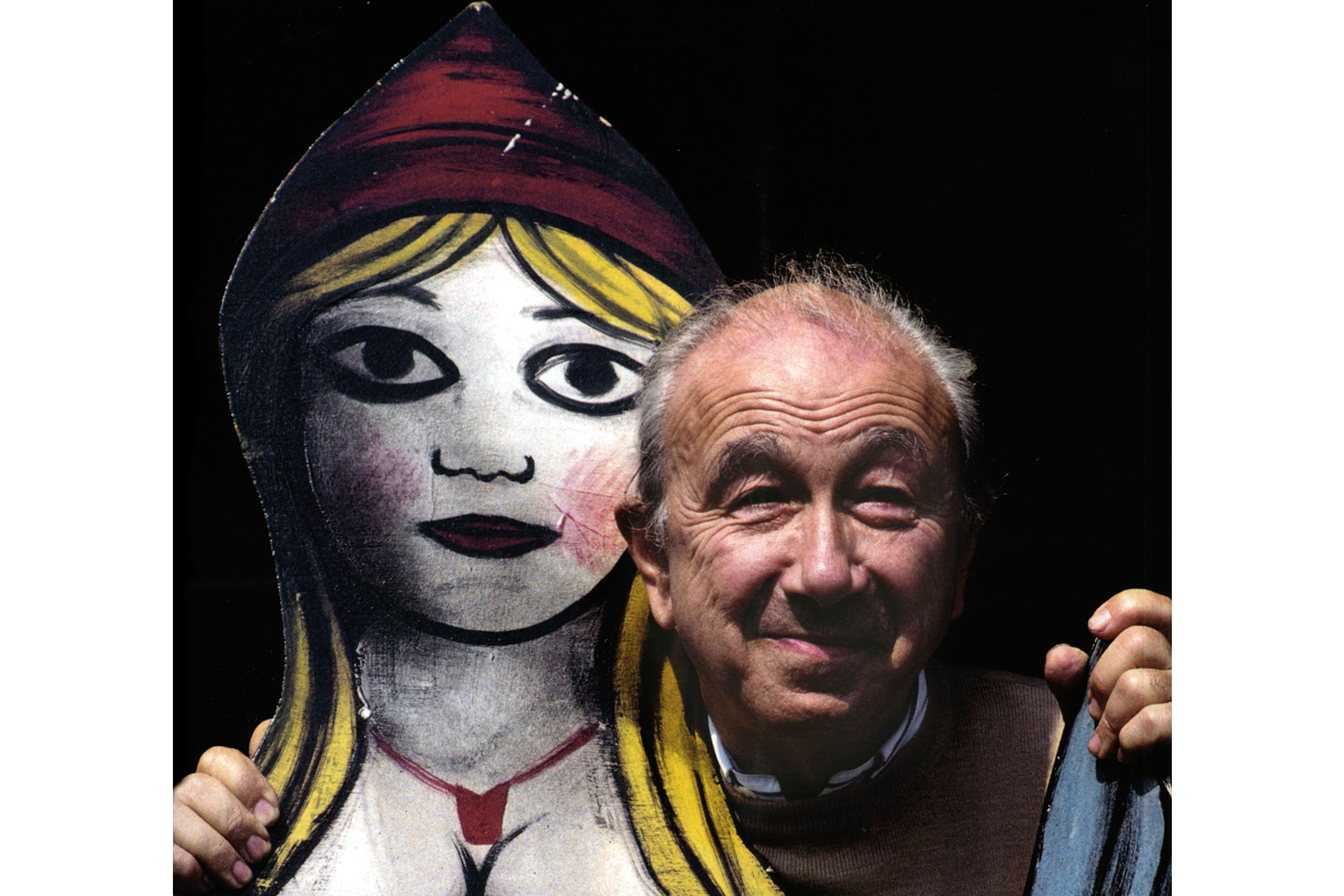
Photo © Maurizio Buscarino
Emanuele Luzzati with one of the characters that he created. Frequently in his work he choices to use bidimensional characters and scenographic elements, alluding to the figurative world of the infancy, recalled often also in the installation made for the adult public.
Luzzati is grown in a Genoese family of Jewish religion, even though substantially secular, as he remembers:
«It was an Italian-style Judaism, very Italian, very milk-and-water», he himself remembers in La mia scena è un bosco ...
Luzzati is grown in a Genoese family of Jewish religion, even though substantially secular, as he remembers:
«It was an Italian-style Judaism, very Italian, very milk-and-water», he himself remembers in La mia scena è un bosco ...
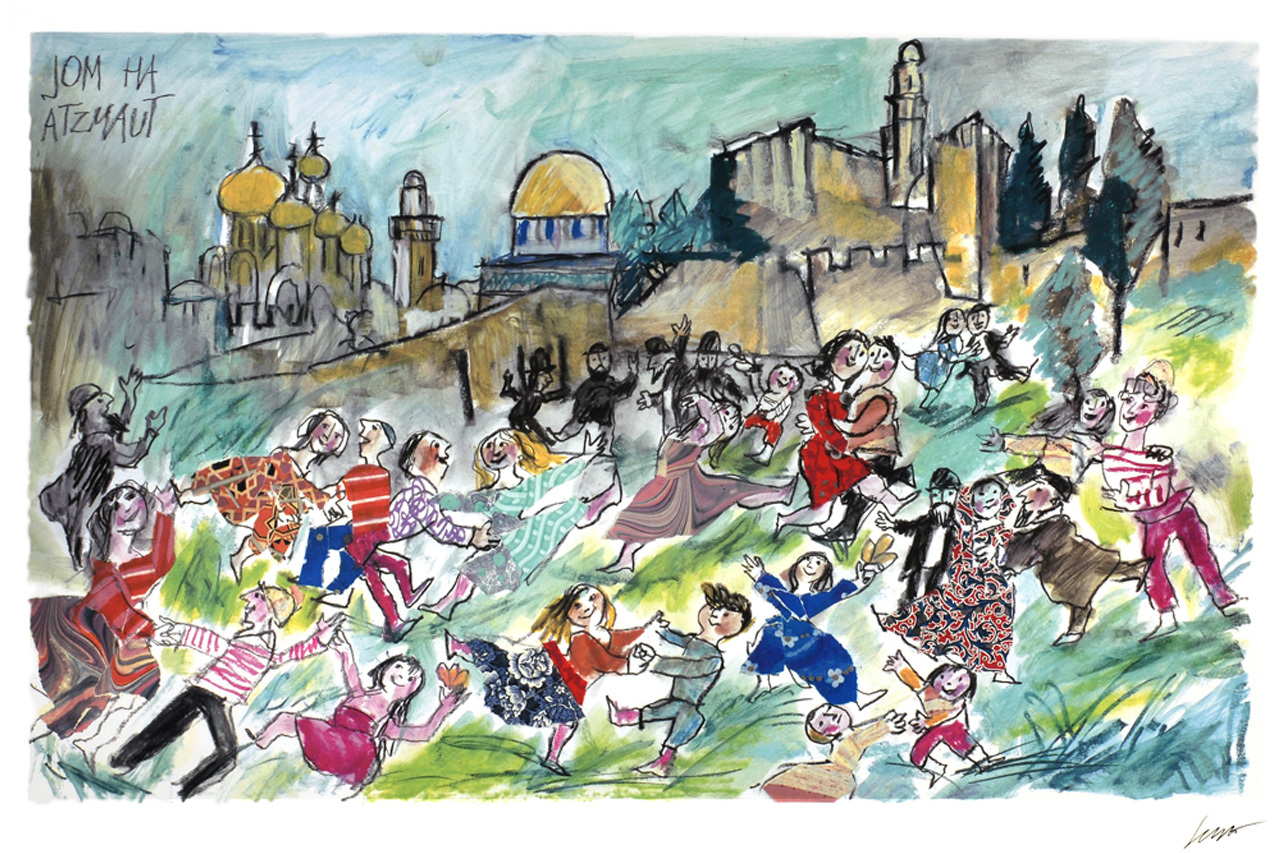
Photo © Emanuele Luzzati
... by Andrea Mancini, from which all the following quotations are also taken.
In any case, the influence of the Jewish world on his artistic formation is undeniable, even if Luzzati drew out of it, above all, what he found to be more congenial for him:
«In every culture there are many sides, I have perhaps taken the most cheerful one.»
In the image, litho-screen printing for Yom HaAtzmaut, Independence Day of the State of Israel.
In any case, the influence of the Jewish world on his artistic formation is undeniable, even if Luzzati drew out of it, above all, what he found to be more congenial for him:
«In every culture there are many sides, I have perhaps taken the most cheerful one.»
In the image, litho-screen printing for Yom HaAtzmaut, Independence Day of the State of Israel.
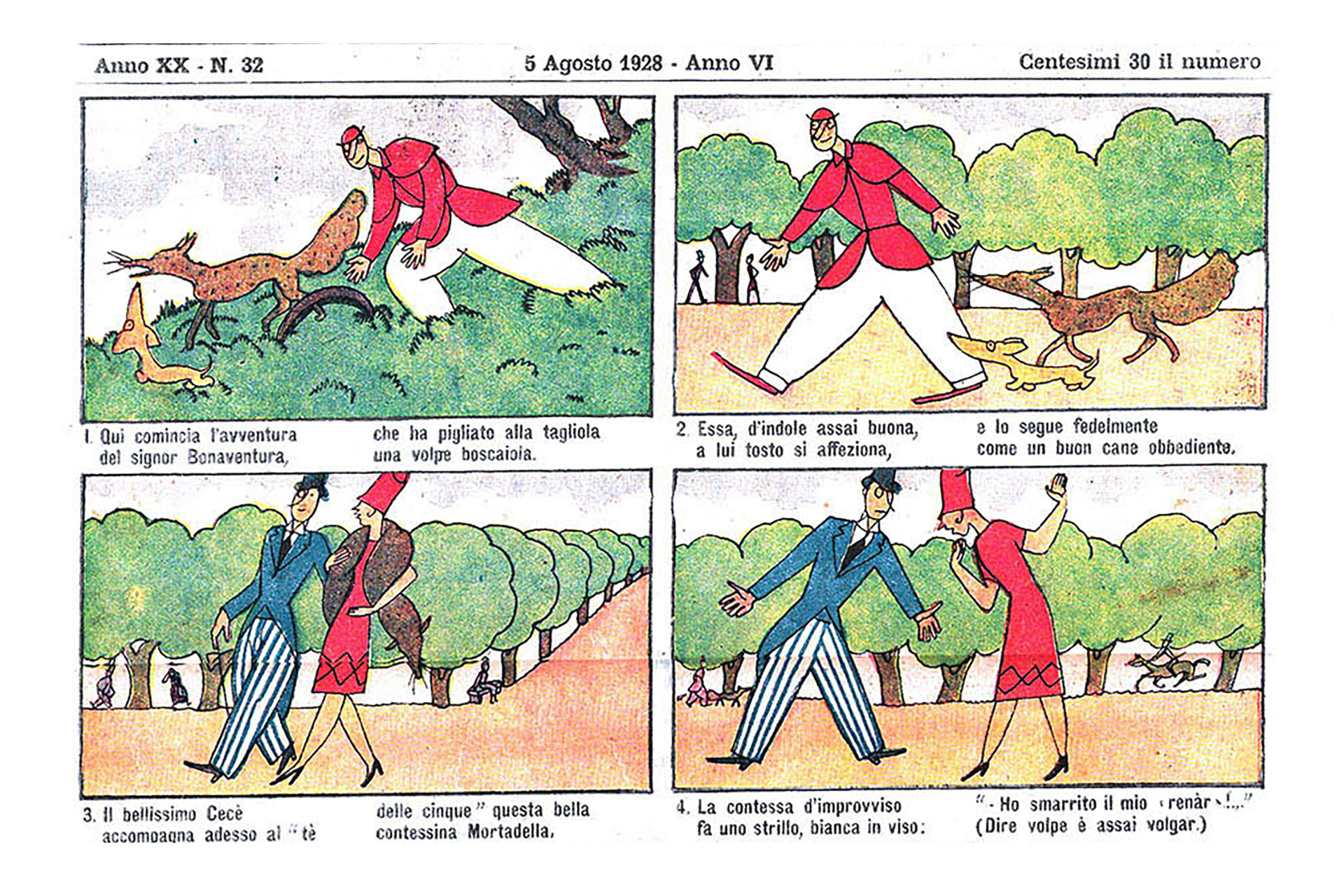
Photo © Il corriere dei piccoli
The Signor Bonaventura, one of the most beloved characters of the Corriere dei Piccoli (an historical publication companion of readings of at least three generations of Italian children), is the first among the references of Luzzati's work.
«If you look for a dad of my tales, you find him in another tale, that is Bonaventura by Sergio Tofano.
He was also very important at a scenographic level because he was ultramodern, he was not uprooted by the trends ...»
«If you look for a dad of my tales, you find him in another tale, that is Bonaventura by Sergio Tofano.
He was also very important at a scenographic level because he was ultramodern, he was not uprooted by the trends ...»
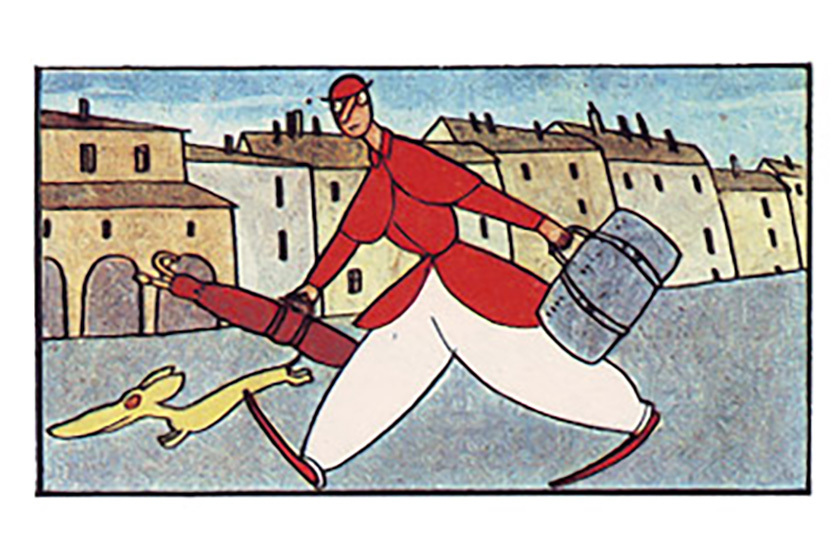
Photo © Il corriere dei piccoli
«... in the project of the scenes and costumes.
I think he was influenced by Futurism.
The element of modernity was very synthesized in his scenes, with very beautiful and really simple costumes too.
More than in the scenography I feel him to be a father in the illustrations, he was important as a creator of images, of illustrations, of rhymes.
A character like Bonaventura ...»
I think he was influenced by Futurism.
The element of modernity was very synthesized in his scenes, with very beautiful and really simple costumes too.
More than in the scenography I feel him to be a father in the illustrations, he was important as a creator of images, of illustrations, of rhymes.
A character like Bonaventura ...»
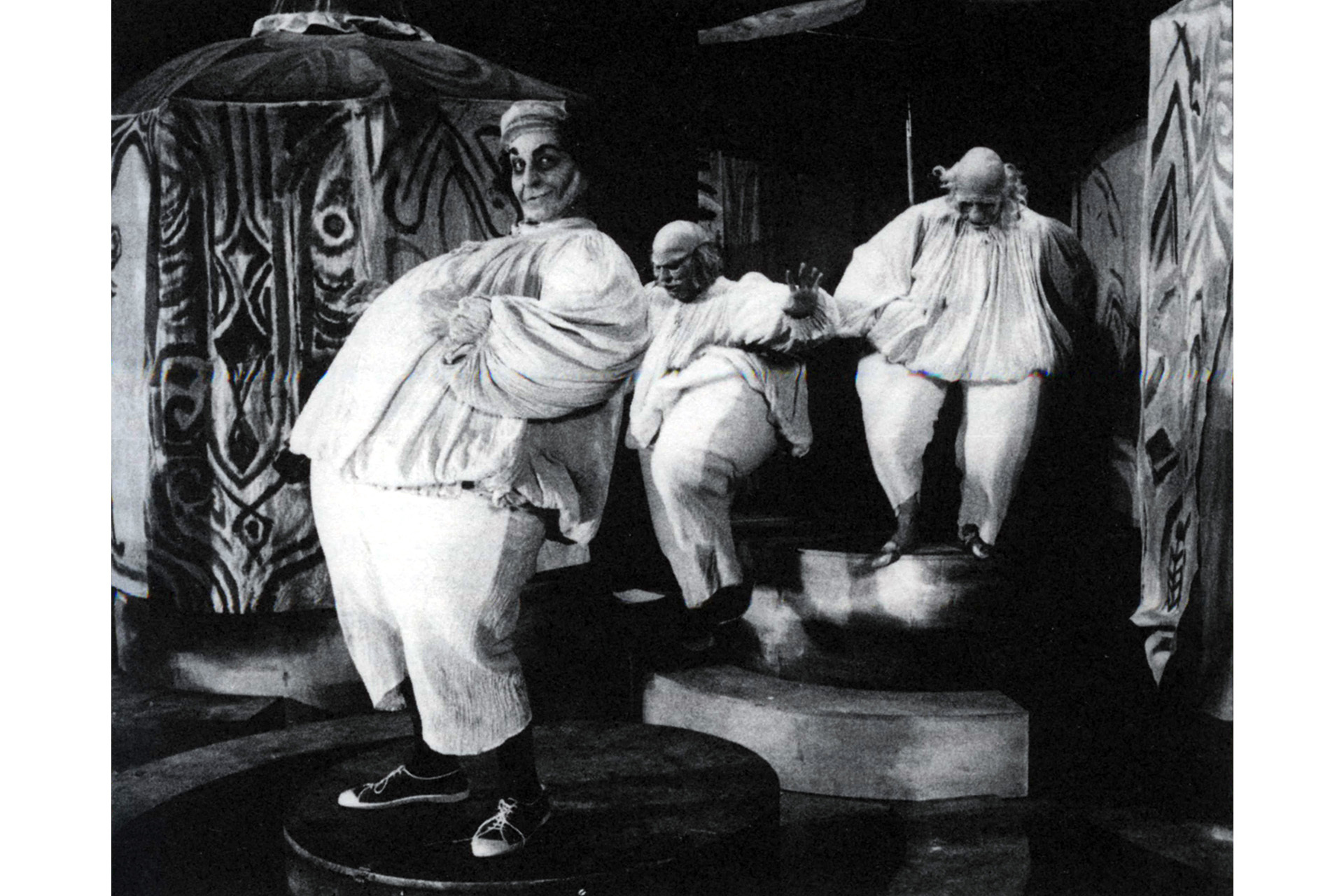
Photo © Maurizio Buscarino
«... did not exist before him.»
In the photo: The Three Fat Persons, by Jurij Karlovič Olea, production of the 1978 by the Teatro della Tosse in which the scenography and costumes seem in some way to refer to Bonaventura, futurism and expressionism.
In 1938 Luzzati interrupts his studies because of the racial laws ...
In the photo: The Three Fat Persons, by Jurij Karlovič Olea, production of the 1978 by the Teatro della Tosse in which the scenography and costumes seem in some way to refer to Bonaventura, futurism and expressionism.
In 1938 Luzzati interrupts his studies because of the racial laws ...
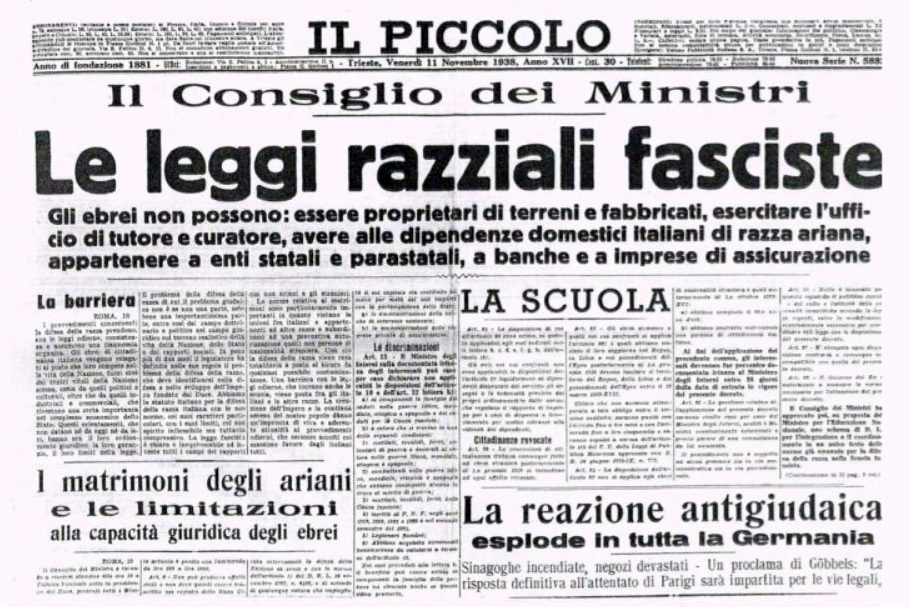
Photo © Wikimedia Commons
... of which this is the announcement in an Italian newspaper of the time, and he decides to devote himself to drawing.
In 1940 his parents, refugeed in the Langhe, sent him to Lausanne, to the École des beaux arts, where he completed his own academic formation.
In Switzerland Luzzati meets other refugees with whom he will set up the first theatrical show and among them ...
In 1940 his parents, refugeed in the Langhe, sent him to Lausanne, to the École des beaux arts, where he completed his own academic formation.
In Switzerland Luzzati meets other refugees with whom he will set up the first theatrical show and among them ...
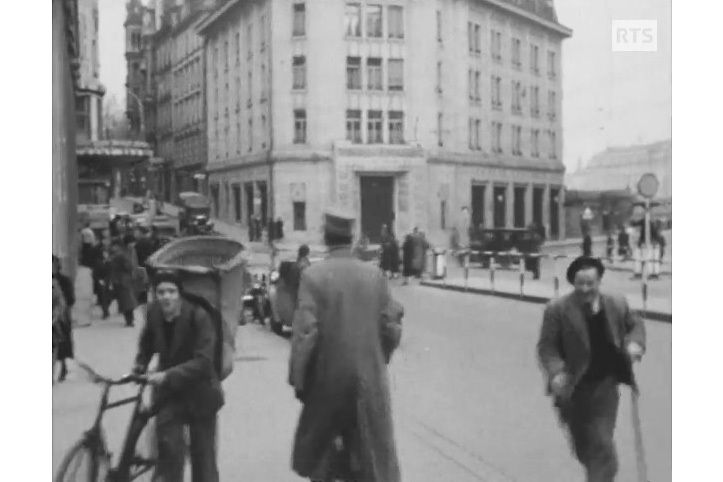
Photo © Archives RTS
... there are Alessandro Fersen, Aldo Trionfo, Guido Lopez, who will be part of the history of Italian theater direction in the 1900s.
In the image, the escape of the inhabitants of Lausanne during an air raid in a repertory video of Radio Télévision Suisse.
Luzzati begins the post-war period by touring Italy to show his designs ...
In the image, the escape of the inhabitants of Lausanne during an air raid in a repertory video of Radio Télévision Suisse.
Luzzati begins the post-war period by touring Italy to show his designs ...
Photo © Wikimedia Commons
... looking for job.
«At one point I was also in Milan at the Teatro alla Scala to meet Nicola Benois.
He told me that they were missing the costume for Der Rosenkavalier, I made the sketches and they were all right: so, the first thing I did in Italy was a show for the Teatro alla Scala.
Naturally, at that time I didn't give it any importance, it was a place that seemed to me for old people.»
«At one point I was also in Milan at the Teatro alla Scala to meet Nicola Benois.
He told me that they were missing the costume for Der Rosenkavalier, I made the sketches and they were all right: so, the first thing I did in Italy was a show for the Teatro alla Scala.
Naturally, at that time I didn't give it any importance, it was a place that seemed to me for old people.»
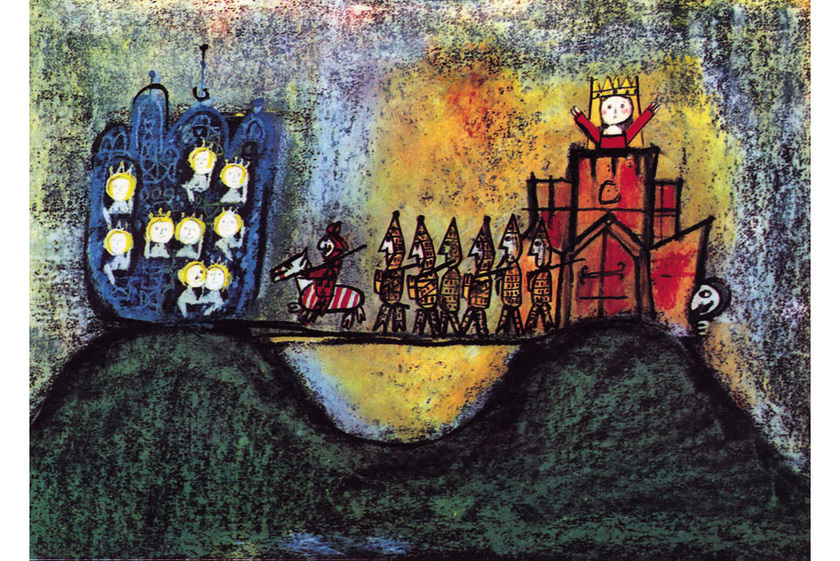
Photo © da ''La mia scena è un bosco''
In the Fifties Luzzati alternates the activity of scenographer, in wich he collaborates in the theater with Vittorio Gassman, Alessandro Fersen, Aldo Trionfo and Franco Enriquez, to that of draftsman of fabrics and ceramics decorator.
He decorates the room of the children on the ship SS Andrea Doria and, subsequently, in collaboration with the architects Gustavo Pulitzer and Nino Zoncada, he performs numerous other realizations for large ships.
He decorates the room of the children on the ship SS Andrea Doria and, subsequently, in collaboration with the architects Gustavo Pulitzer and Nino Zoncada, he performs numerous other realizations for large ships.
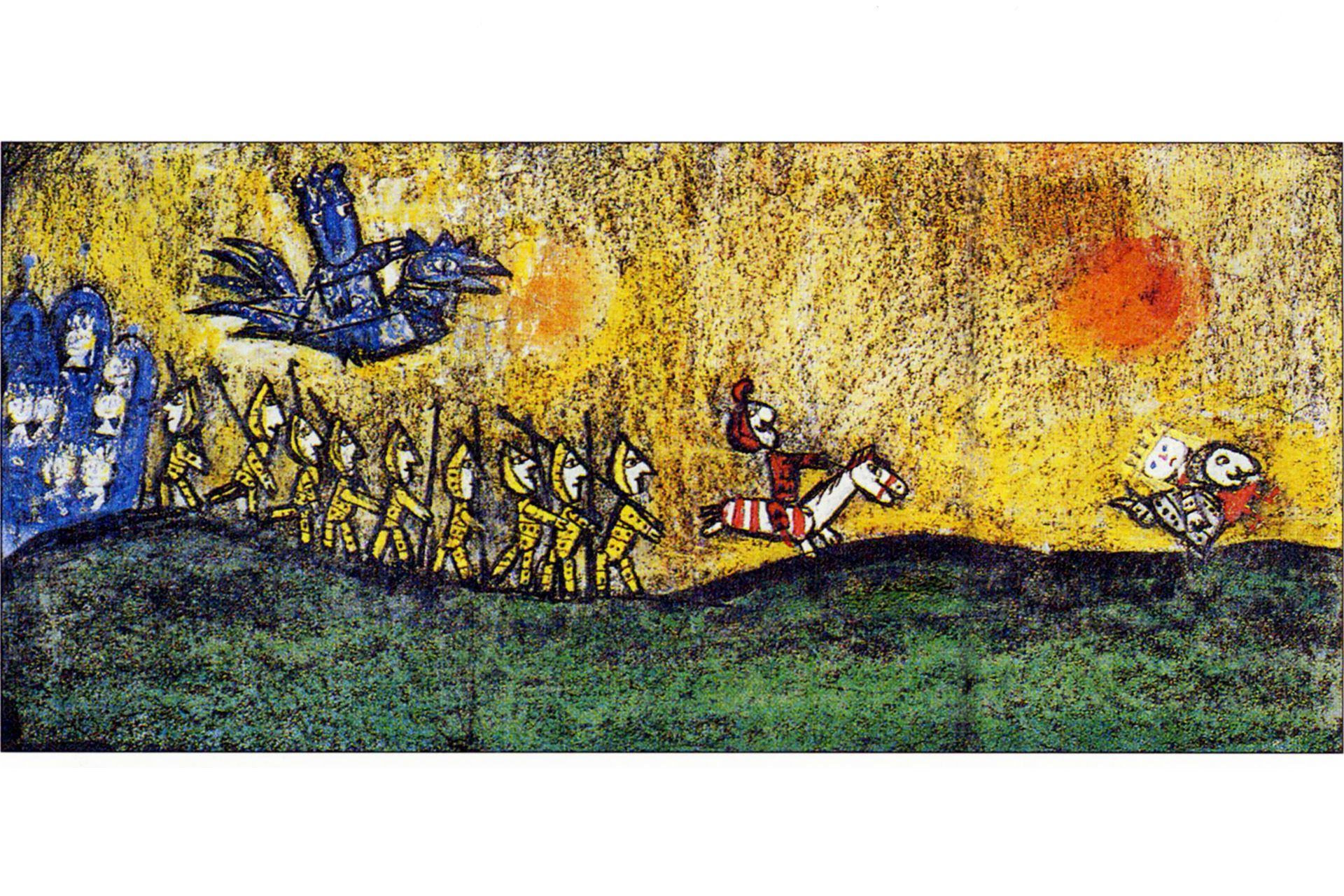
Photo © da ''La mia scena è un bosco''
In 1957 he meets Giulio Gianini, an experienced cartoonist, after various attempts, he produces with him the short film of animation The Paladins of France (in this image and the previous one), that receives prized in the reviews of Bergamo and Annecy.
He will use this subject in an illustrated book that Mursia will publish in 1960, realizing so the initial aspiration that pushed him to devote himself to drawing.
He will use this subject in an illustrated book that Mursia will publish in 1960, realizing so the initial aspiration that pushed him to devote himself to drawing.
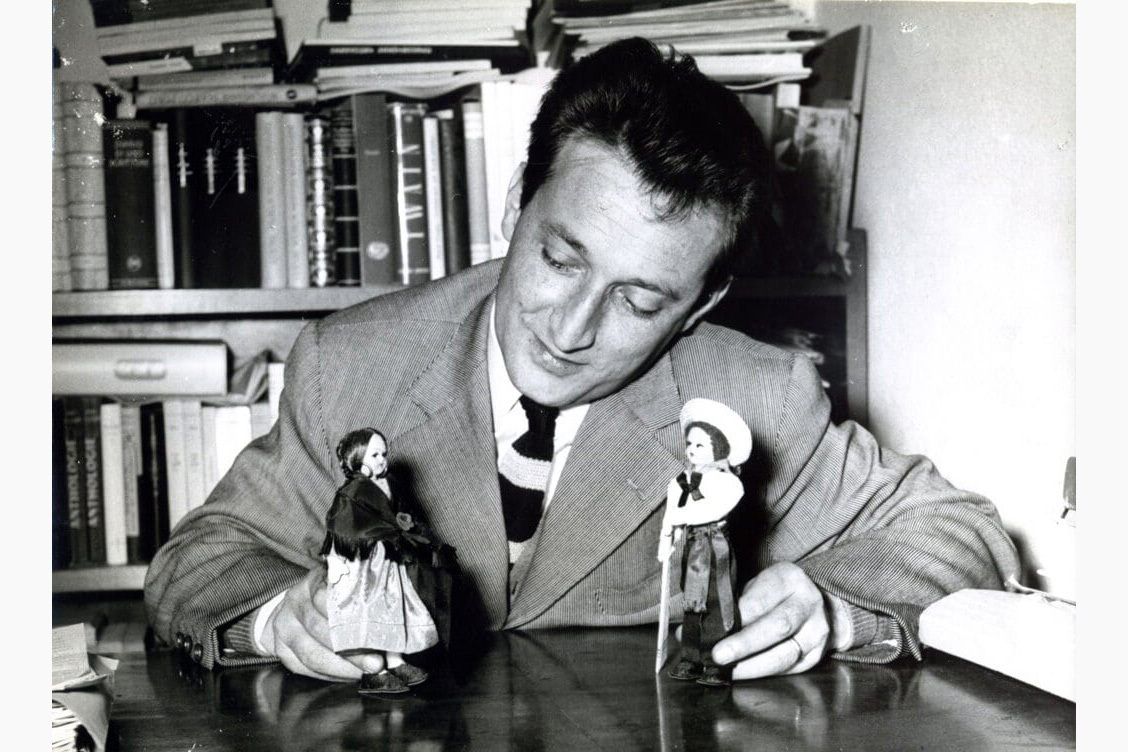
Photo © Wikimedia Commons
In the beginning of the Sixties, Luzzati meets the writer Gianni Rodari, with which he will collaborate many times in projects that remained in the annals of boy's book industry.
Rodari will say of him:
«... the secret, with children and boys, is not to deal with them in a childish way, but to be and to remain an adult that however knows how to preserve and to use the imagination, so that the meeting can also happen in a field that is usually excluded ...»
Rodari will say of him:
«... the secret, with children and boys, is not to deal with them in a childish way, but to be and to remain an adult that however knows how to preserve and to use the imagination, so that the meeting can also happen in a field that is usually excluded ...»
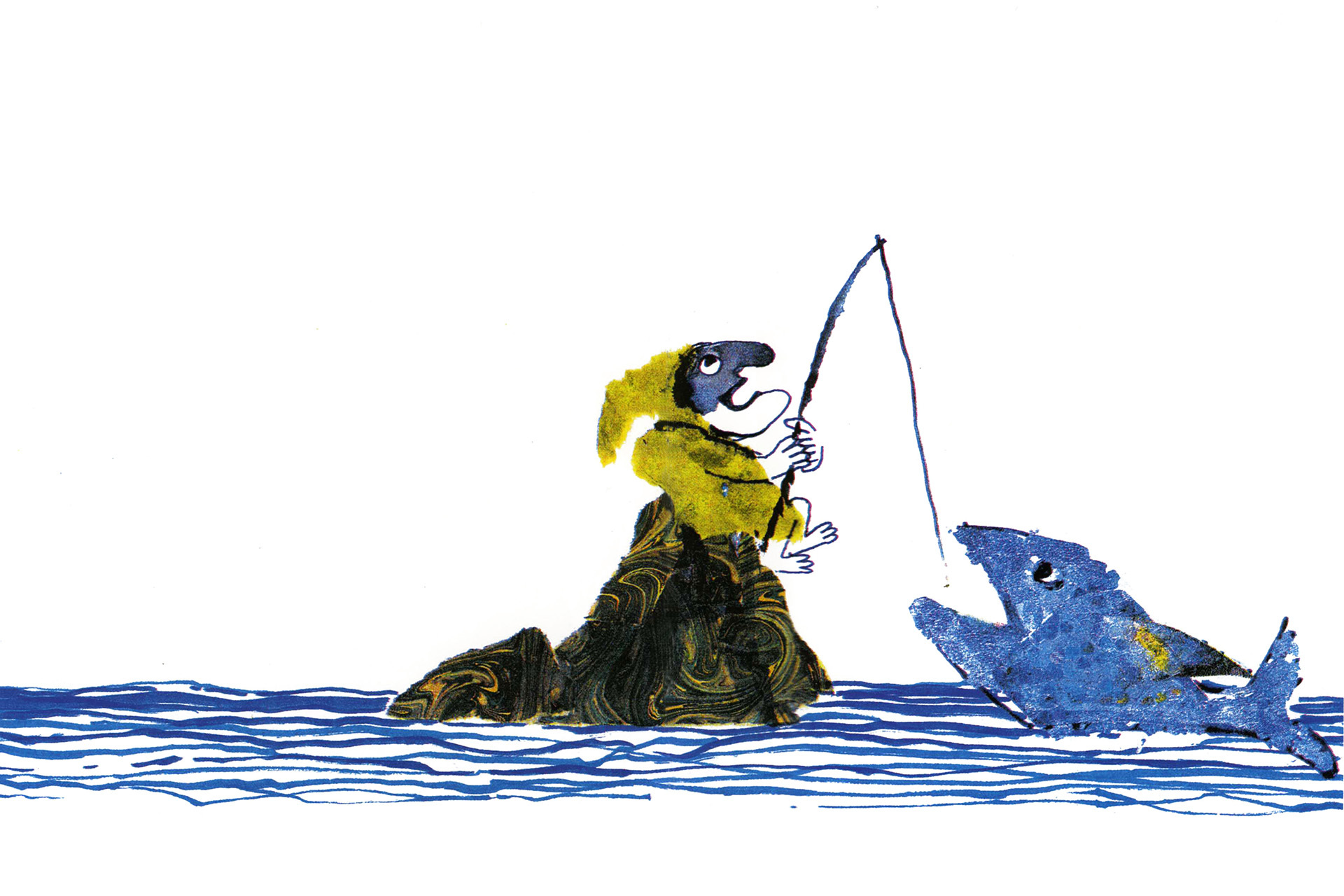
Photo © da ''La mia scena è un bosco''
«... in the relationship between children and adults.
Lele [Emanuele] spontaneously has this secret.
Every time I have cordially envied the naturalness with which he uses so many different languages: the words, the images, the theater, the cinema, the ceramics, the puppets.
It is as if one didn't have a mother language, but three, four.»
In the picture, an illustration for the children book The Tarantella of Pulcinella.
Lele [Emanuele] spontaneously has this secret.
Every time I have cordially envied the naturalness with which he uses so many different languages: the words, the images, the theater, the cinema, the ceramics, the puppets.
It is as if one didn't have a mother language, but three, four.»
In the picture, an illustration for the children book The Tarantella of Pulcinella.
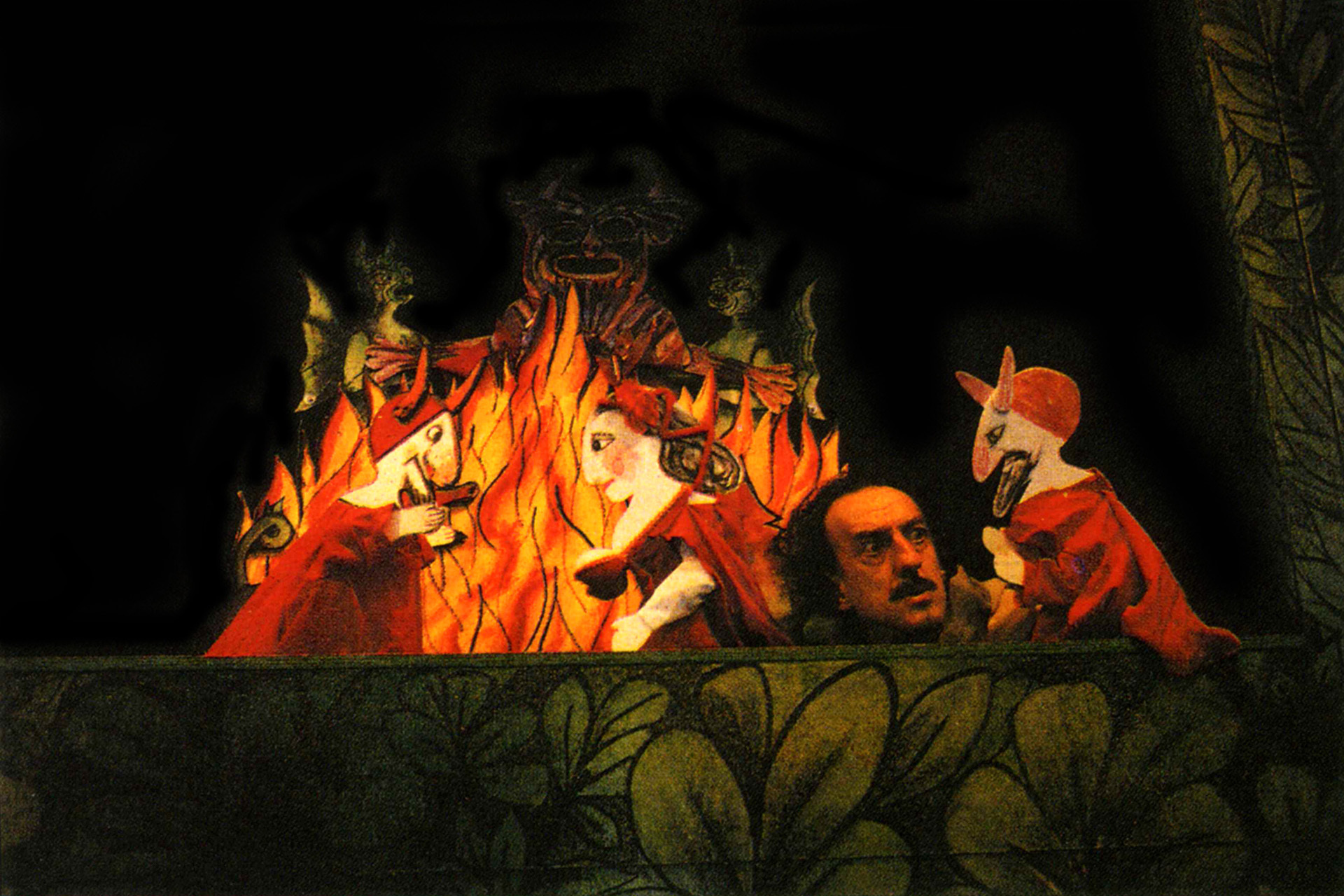
Photo © da ''La mia scena è un bosco''
Bruno Cereseto's teatrino of marionettes, with the scenographies and the puppets designed by Luzzati.
In 1963 he is called at the Glyndebourne Festival Opera where he realizes the scenographies of The Magic Flute, beginning a decade of frequent collaborations with different English theaters that he will develope sojourning for a long time in England.
Numerous also the works ...
In 1963 he is called at the Glyndebourne Festival Opera where he realizes the scenographies of The Magic Flute, beginning a decade of frequent collaborations with different English theaters that he will develope sojourning for a long time in England.
Numerous also the works ...
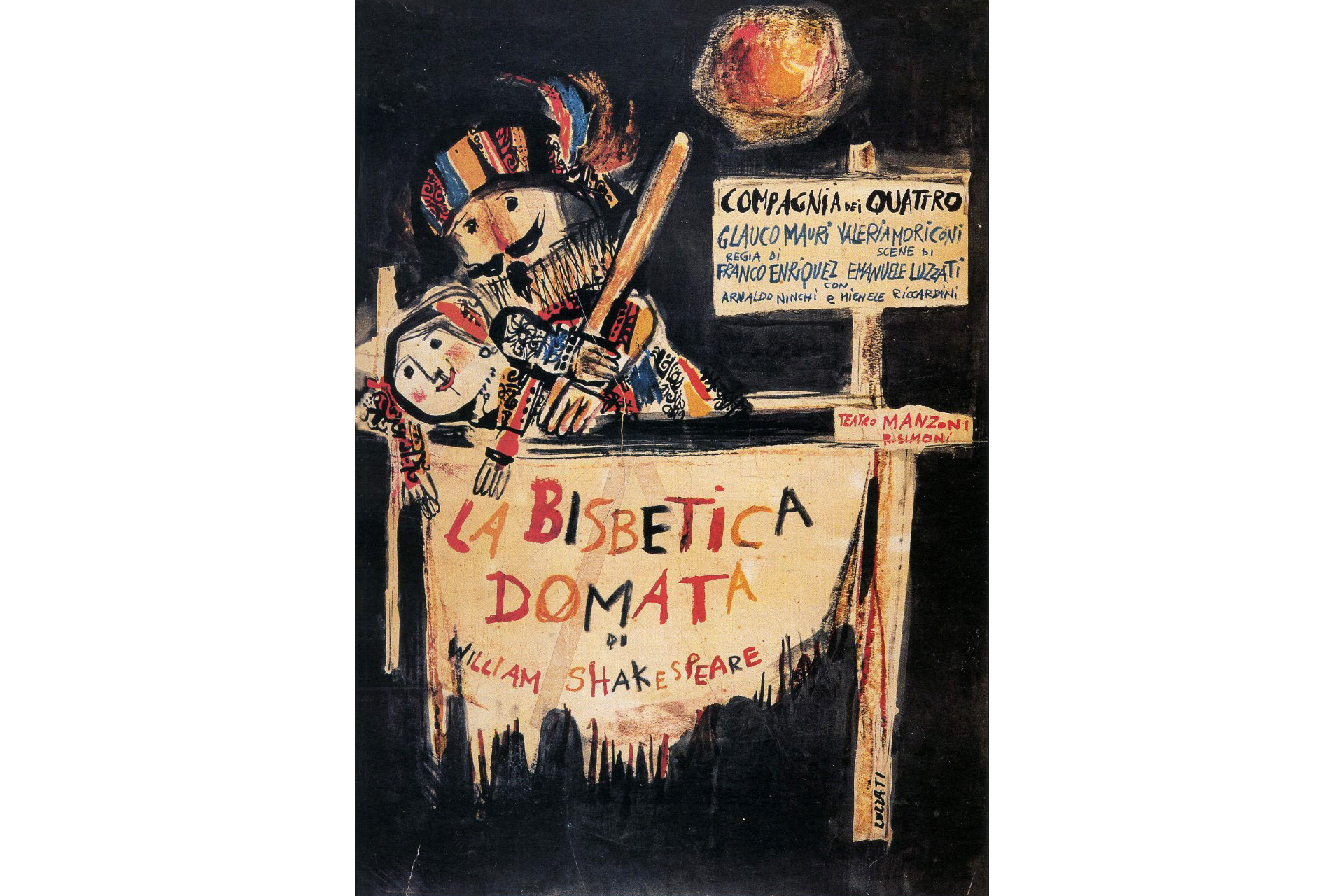
Photo © da ''La mia scena è un bosco''
... for the prose theater, from the innovative edition of Drums in the Night by Brecht with the direction by Aldo Trionfo, to The Rhinoceros by Ionesco.
And The Taming of the Shrew with the Compagnia dei Quattro founded by Franco Enriquez, Valeria Moriconi, Glauco Mauri e Mario Scaccia.
And The Taming of the Shrew with the Compagnia dei Quattro founded by Franco Enriquez, Valeria Moriconi, Glauco Mauri e Mario Scaccia.
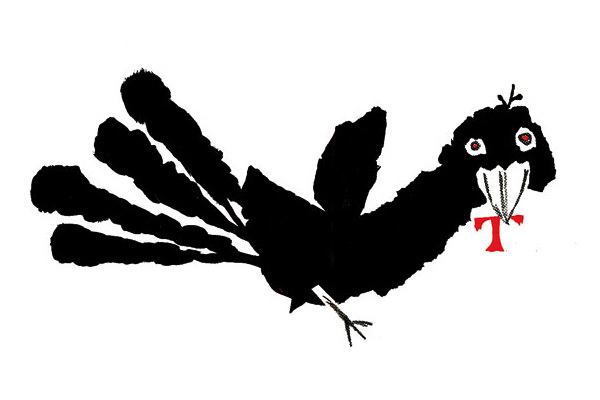
Photo © da ''La mia scena è un bosco'
In 1964, the new short cartoon The Thievish Magpie produced with Gianini receives, amongst many prizes, also a nomination to the Oscar.
Worth mentioning, among the most famous animations by Luzzati and Gianini ...
Worth mentioning, among the most famous animations by Luzzati and Gianini ...
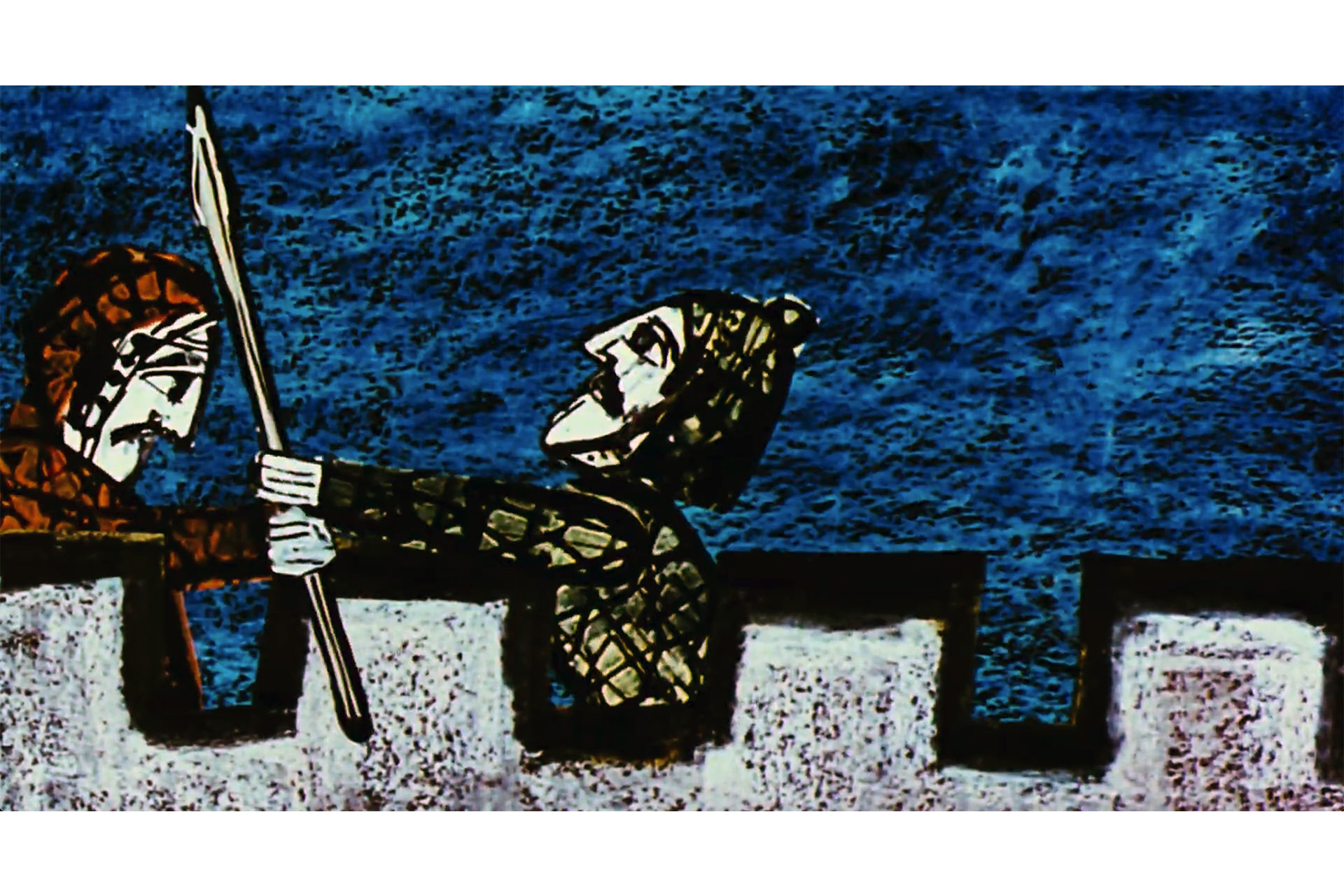
Photo © ''Brancaleone alle crociate''
... also the head titles of Mario Monicelli's movies The Army of Brancaleone and Brancaleone at the Crusades, produced in 1966 and 1970.
In 1968, with Ubu the King by Alfred Jarry, begins the long association with the scene director Tonino Conte.
In 1968, with Ubu the King by Alfred Jarry, begins the long association with the scene director Tonino Conte.
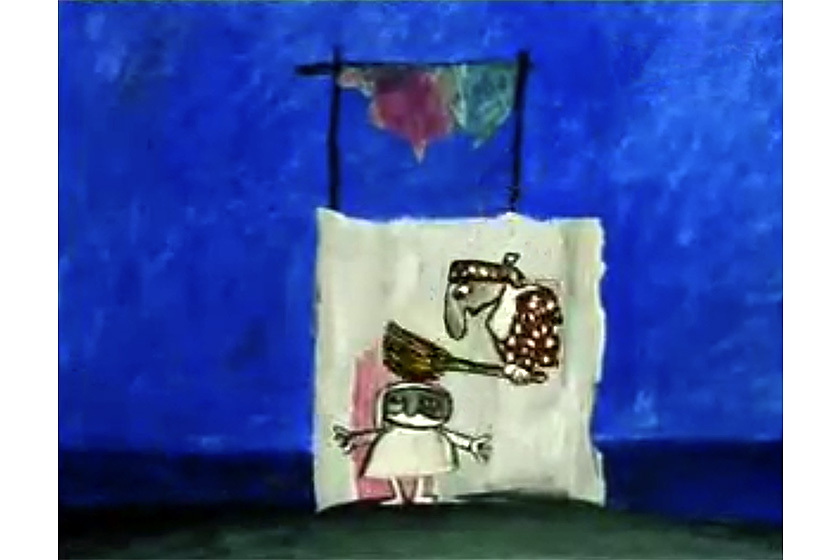
Photo © ''Pulcinella''
In 1973 the short animated film Pulcinella gets a second nomination to the Oscar. Luzzati and Gianini are named members of the Academy.
In 1976, together with Tonino Conte, Aldo Trionfo, Rita Cirio and Giannino Galloni, he founds the theatrical company of the Teatro della Tosse, that takes the name from its first center, a small theatre with one hundred seats that is placed along the Salita della Tosse (Slope of the Cough), an old road in Genoa.
In 1976, together with Tonino Conte, Aldo Trionfo, Rita Cirio and Giannino Galloni, he founds the theatrical company of the Teatro della Tosse, that takes the name from its first center, a small theatre with one hundred seats that is placed along the Salita della Tosse (Slope of the Cough), an old road in Genoa.
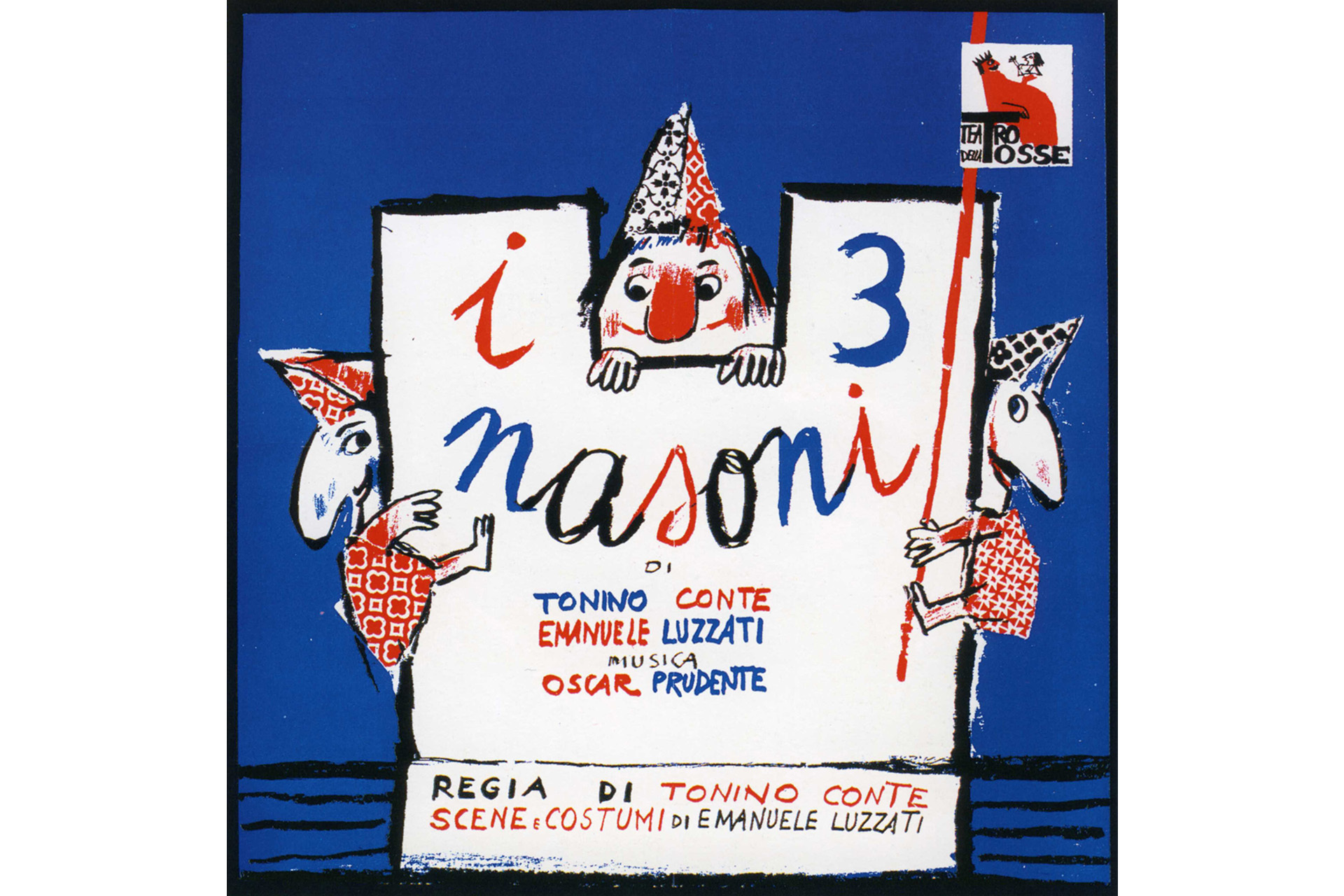
Photo © da ''La mia scena è un bosco''
In the picture, the poster of the Teatro della Tosse for The Three Big Noses.
The first show, directed by Conte with the scenes and the costumes by Luzzati, is the re-edition of Ubu the King by Alfred Jarry, that renews the great success of 1968 and becomes the artistic manifesto of the company, as Ubu king sitting on his ''T'' ...
The first show, directed by Conte with the scenes and the costumes by Luzzati, is the re-edition of Ubu the King by Alfred Jarry, that renews the great success of 1968 and becomes the artistic manifesto of the company, as Ubu king sitting on his ''T'' ...
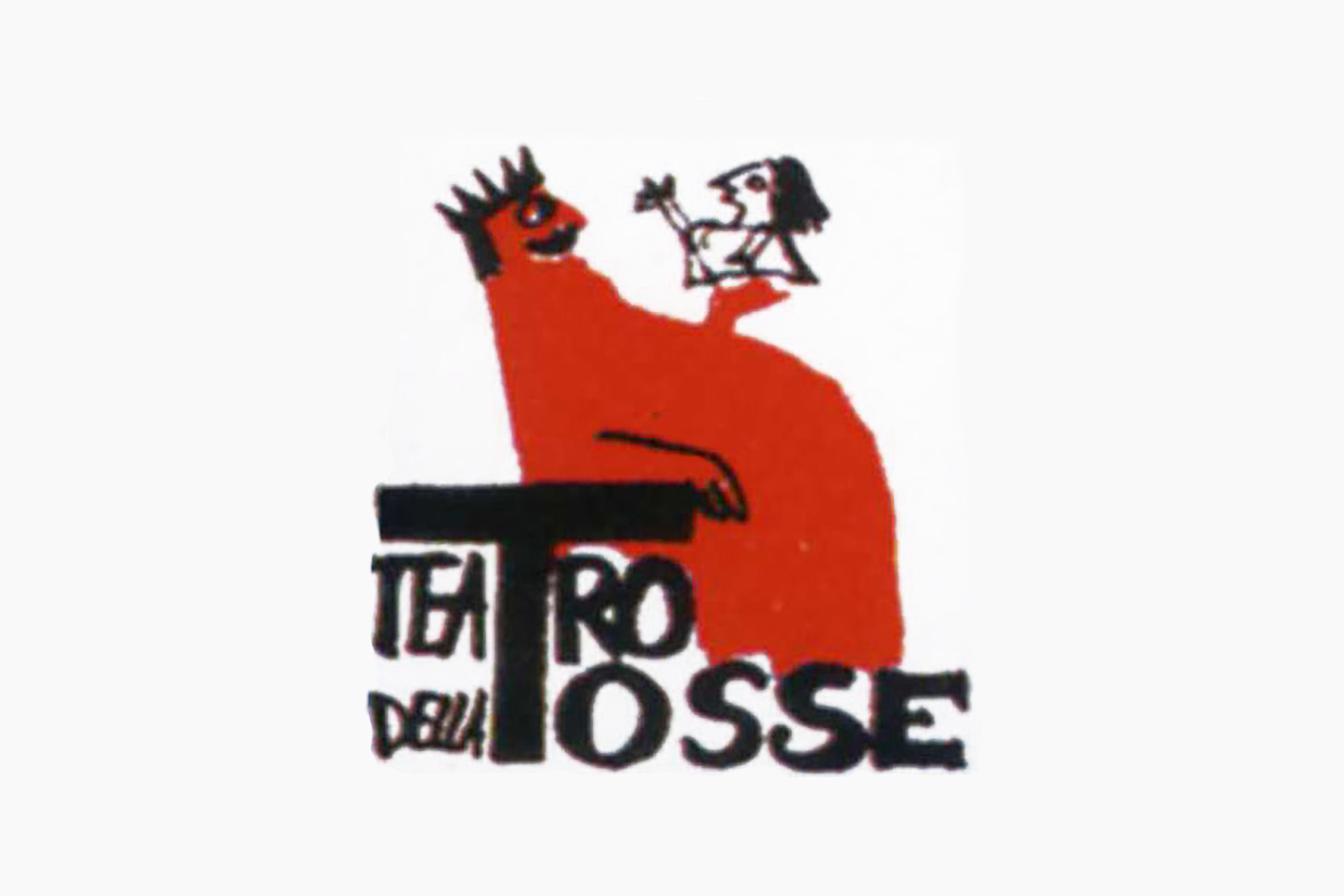
Photo © da ''La mia scena è un bosco''
... is adopted as a symbol of the Teatro della Tosse.
The intent of the company is to face the realization of its own productions according to a poetic view not tied up to avant-garde and neither to official theater, and that wants to be instead free in the choice of the artistic runs and the adopted texts, with the objective to conjugate fun to cultural deepening.
The intent of the company is to face the realization of its own productions according to a poetic view not tied up to avant-garde and neither to official theater, and that wants to be instead free in the choice of the artistic runs and the adopted texts, with the objective to conjugate fun to cultural deepening.
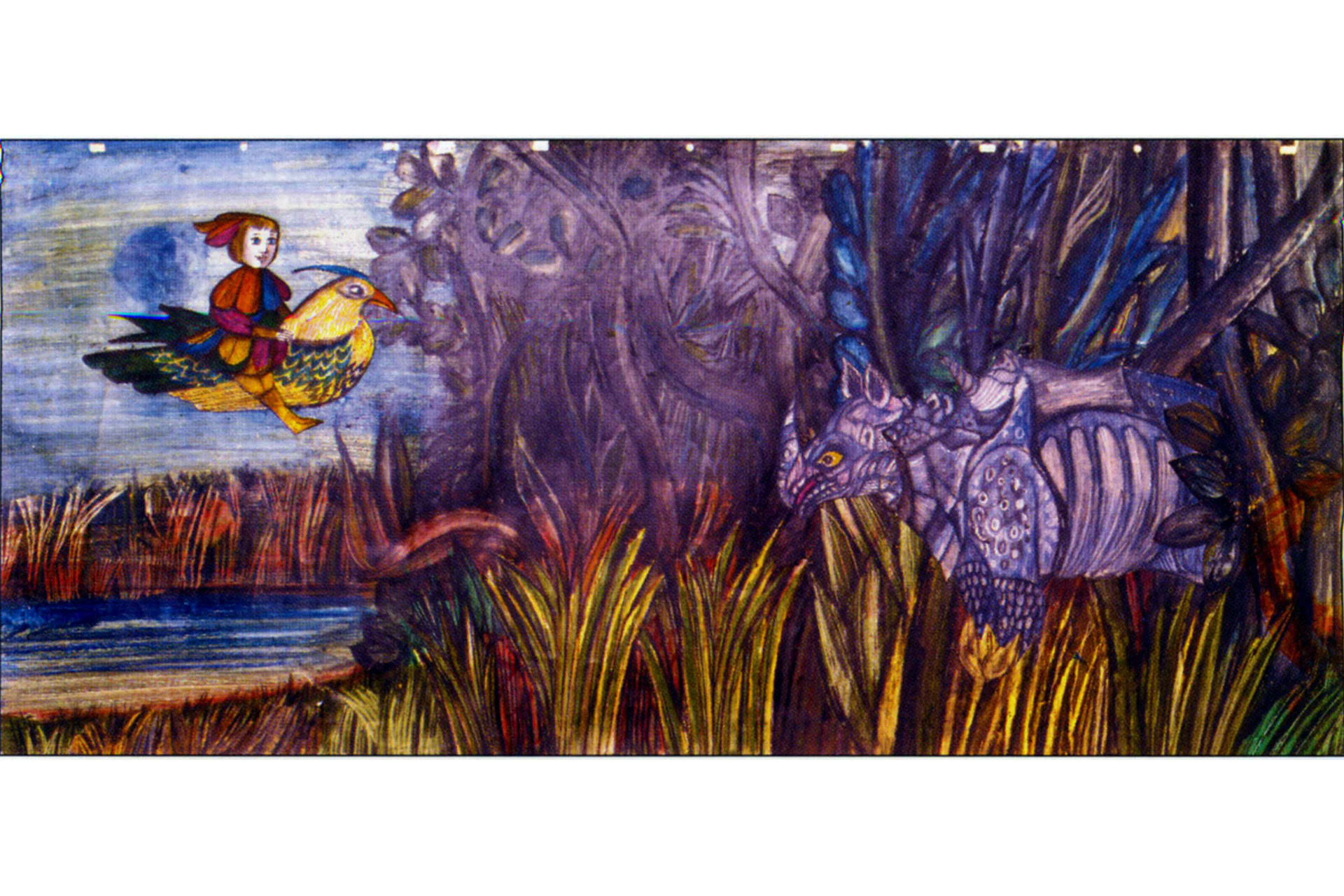
Photo © da ''La mia scena è un bosco''
In 1977 he writes with Tonino Conte a text that will be adopted in a lot of academies of scenography, Let's Make Theater Together, published by Einaudi.
The following year he produces, with Gianini again, animation medium-length film The Magic Flute, taken from the Mozart's opera, that since then is considered one of the tops reached by the Italian film of animation.
The following year he produces, with Gianini again, animation medium-length film The Magic Flute, taken from the Mozart's opera, that since then is considered one of the tops reached by the Italian film of animation.
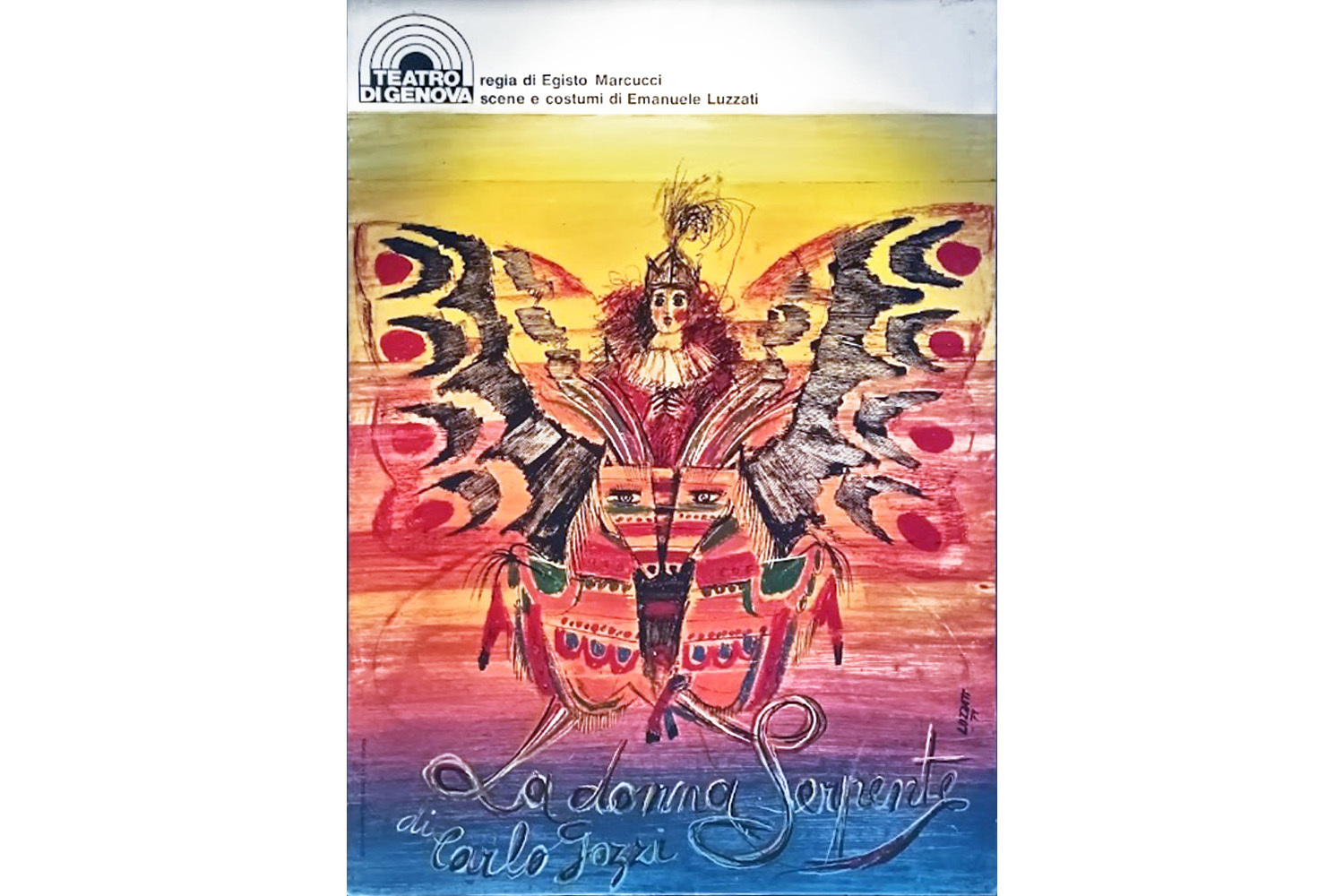
Photo © da ''La mia scena è un bosco''
In 1979, with the direction by Egisto Marcucci, Luzzati stages The Snake Woman by Carlo Gozzi.
The show, born in 1979 as a didactic work of the school of the Teatro Stabile of Genoa - it was the essay of the end of the year realized by the students - was noticed by Maurizio Scaparro, then manager of the Carnival of Venice, who asked its representation, during the carnival ...
The show, born in 1979 as a didactic work of the school of the Teatro Stabile of Genoa - it was the essay of the end of the year realized by the students - was noticed by Maurizio Scaparro, then manager of the Carnival of Venice, who asked its representation, during the carnival ...
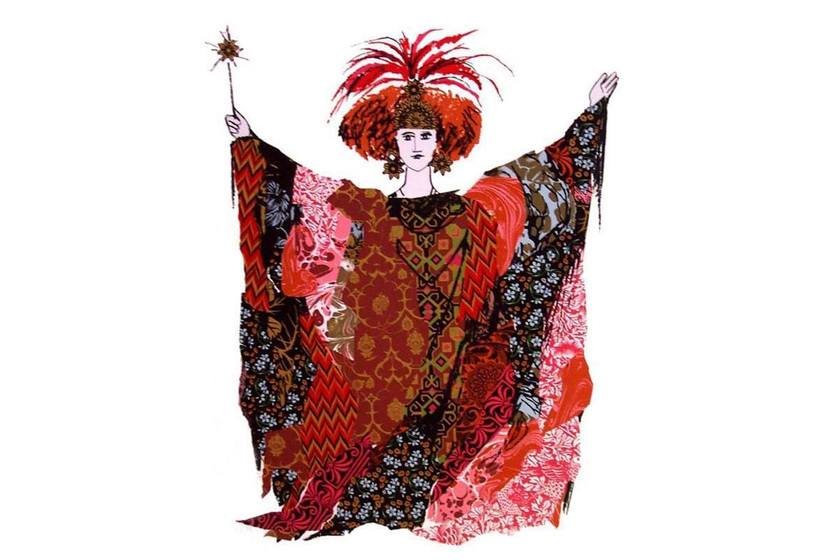
Photo © da ''La mia scena è un bosco''
... at the Teatro Goldoni in Venice.
After then, it was required by the greatest international festivals.
In the image, one of the sketches of the costumes.
«The Snake Woman, of all the shows that I made, is the one that had absolutely more success ...»
After then, it was required by the greatest international festivals.
In the image, one of the sketches of the costumes.
«The Snake Woman, of all the shows that I made, is the one that had absolutely more success ...»
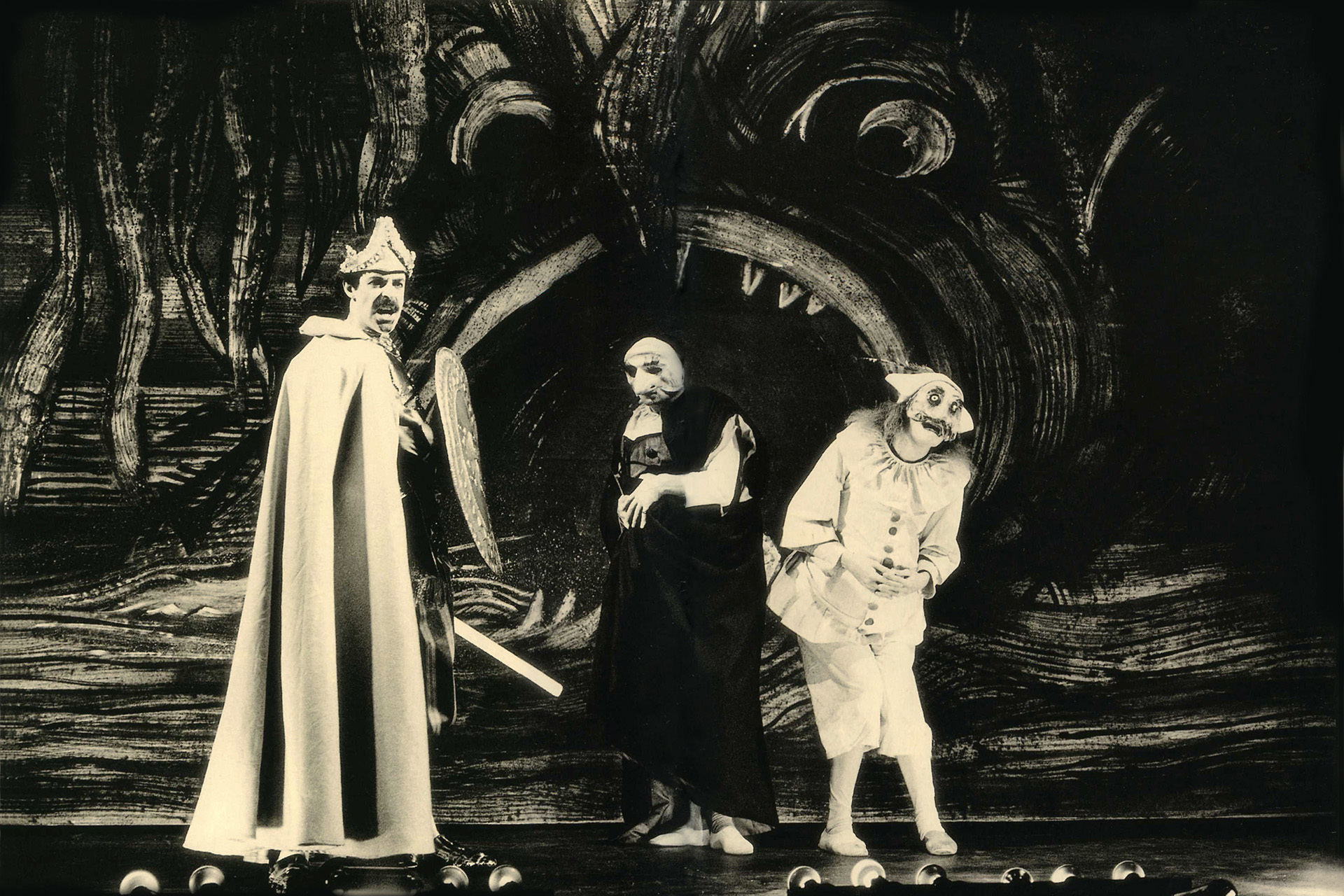
Photo © Maurizio Buscarino
«... and that did the turn of the world, it went from China to Mexico.
It was a very simple show, above all from a scenographical point of view. In the sense that there was an imposing apparatus apparently only.»
In the photo, a backdrop made of painted ASC - Sceno muslin of the setting.
It was a very simple show, above all from a scenographical point of view. In the sense that there was an imposing apparatus apparently only.»
In the photo, a backdrop made of painted ASC - Sceno muslin of the setting.
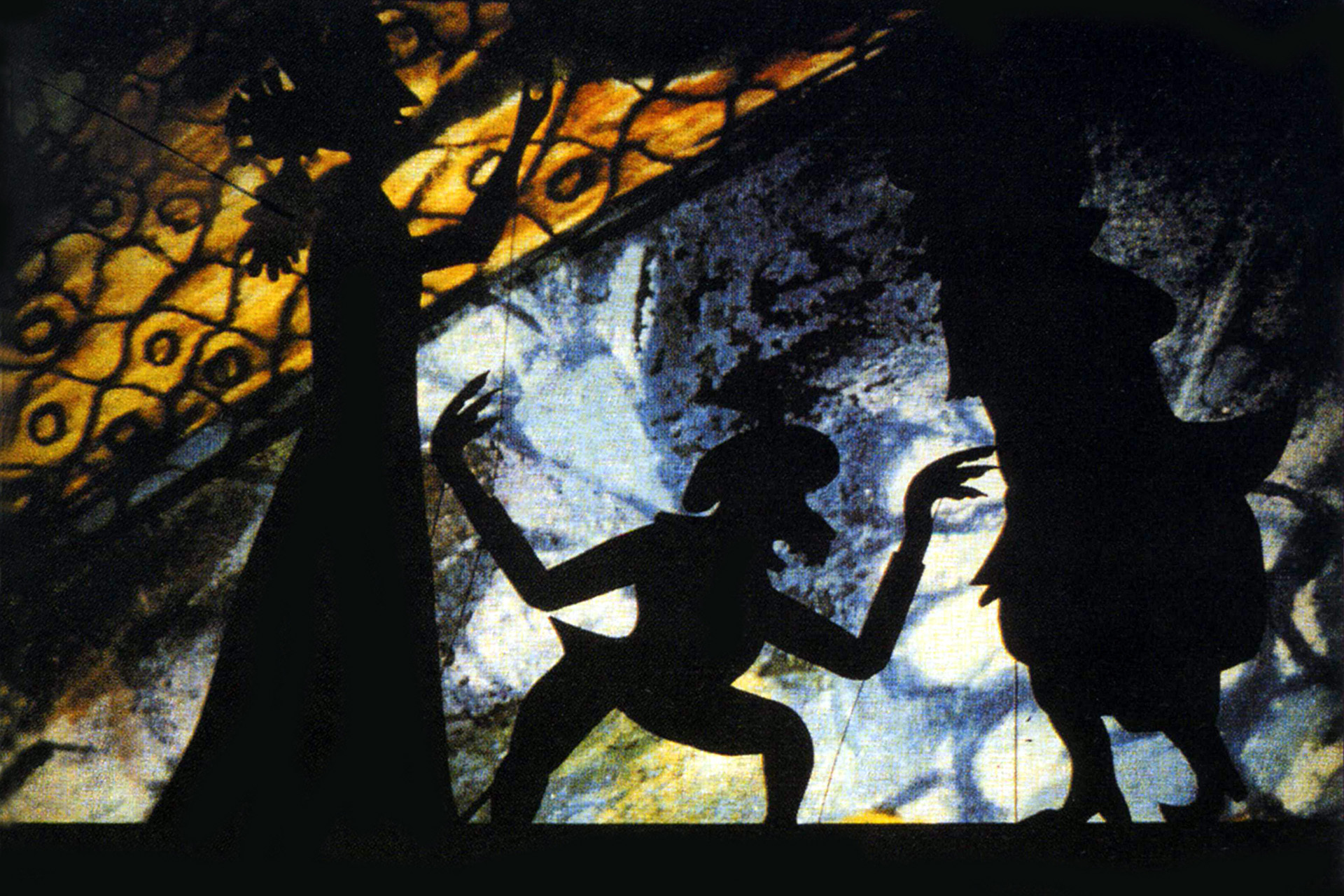
Photo © da ''La mia scena è un bosco''
The Blue Monster, show of shades produced in 1980 by Teatro Gioco Vita.
Luzzati has never considered the theater for boys a minor gender, rather, in his work it's often difficult to tell a clean border with the other genders.
Often, Luzzati's theater for boys ...
Luzzati has never considered the theater for boys a minor gender, rather, in his work it's often difficult to tell a clean border with the other genders.
Often, Luzzati's theater for boys ...
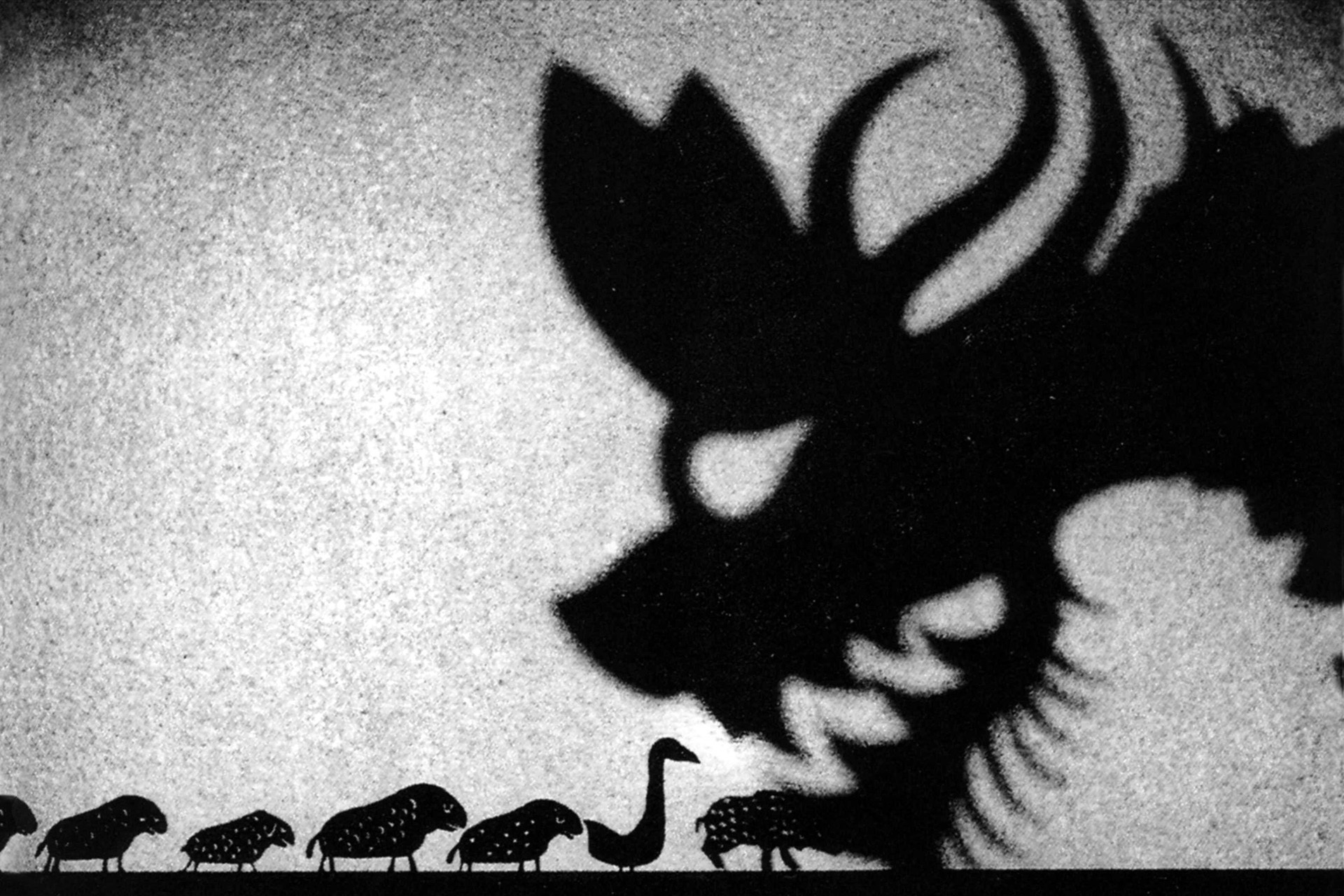
Photo © da ''La mia scena è un bosco''
... can be equally appreciated by the adult public, as many of his realizations for adults succeded amongst boys and childrens.
«There is no difference among childrens' theater and the other theater.
Certain times, rather, it takes you more time.
And in any case it is often more interesting.»
Luzzati's confrontation with Pinocchio arrives late, in the Eighties ...
«There is no difference among childrens' theater and the other theater.
Certain times, rather, it takes you more time.
And in any case it is often more interesting.»
Luzzati's confrontation with Pinocchio arrives late, in the Eighties ...
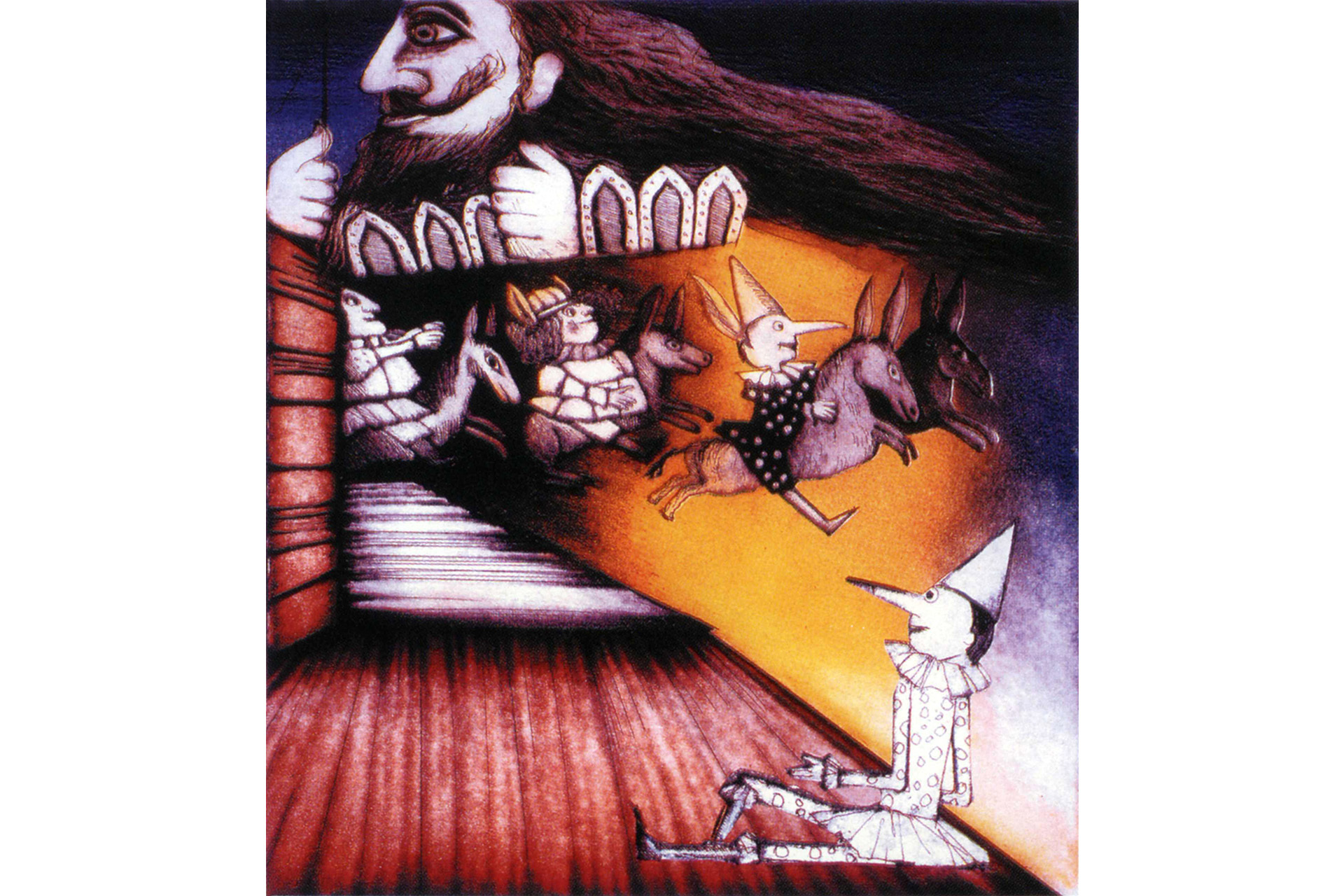
Photo © da ''La mia scena è un bosco''
... but the results do not make regret the wait.
In 1985 it was brought on stage the Pinocchio with the music by Marco Tutino at the Teatro Margherita of Genoa with a very elaborate scenography, with a revolving platform that had all the scenes that changed on it.
Here in the image, the poster of Pinocchio and the little theater of Mangiafoco ...
In 1985 it was brought on stage the Pinocchio with the music by Marco Tutino at the Teatro Margherita of Genoa with a very elaborate scenography, with a revolving platform that had all the scenes that changed on it.
Here in the image, the poster of Pinocchio and the little theater of Mangiafoco ...
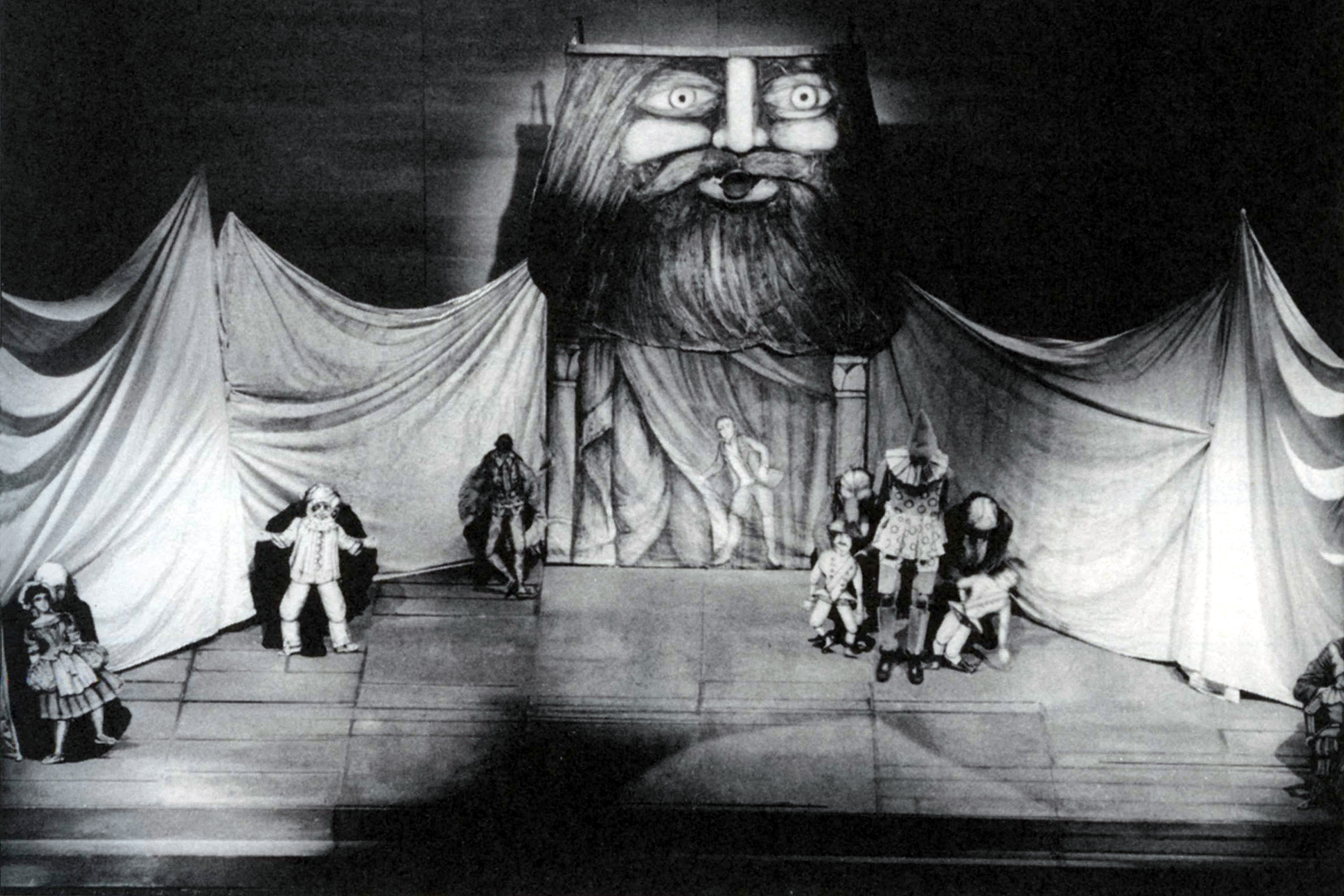
Photo © Maurizio Buscarino
... that Luzzati creates for the Teatro della Tosse, with the direction by Tonino Conte, the installation of Pinocchio al teatrino di Mangiafoco, of which the photo illustrates a scene that used a heavily sloping chute from which objects could be pulled out.
In 1996 he performs for the editions Nuages the illustrations of the book by Carlo Collodi, that has become today a classical.
In 1996 he performs for the editions Nuages the illustrations of the book by Carlo Collodi, that has become today a classical.
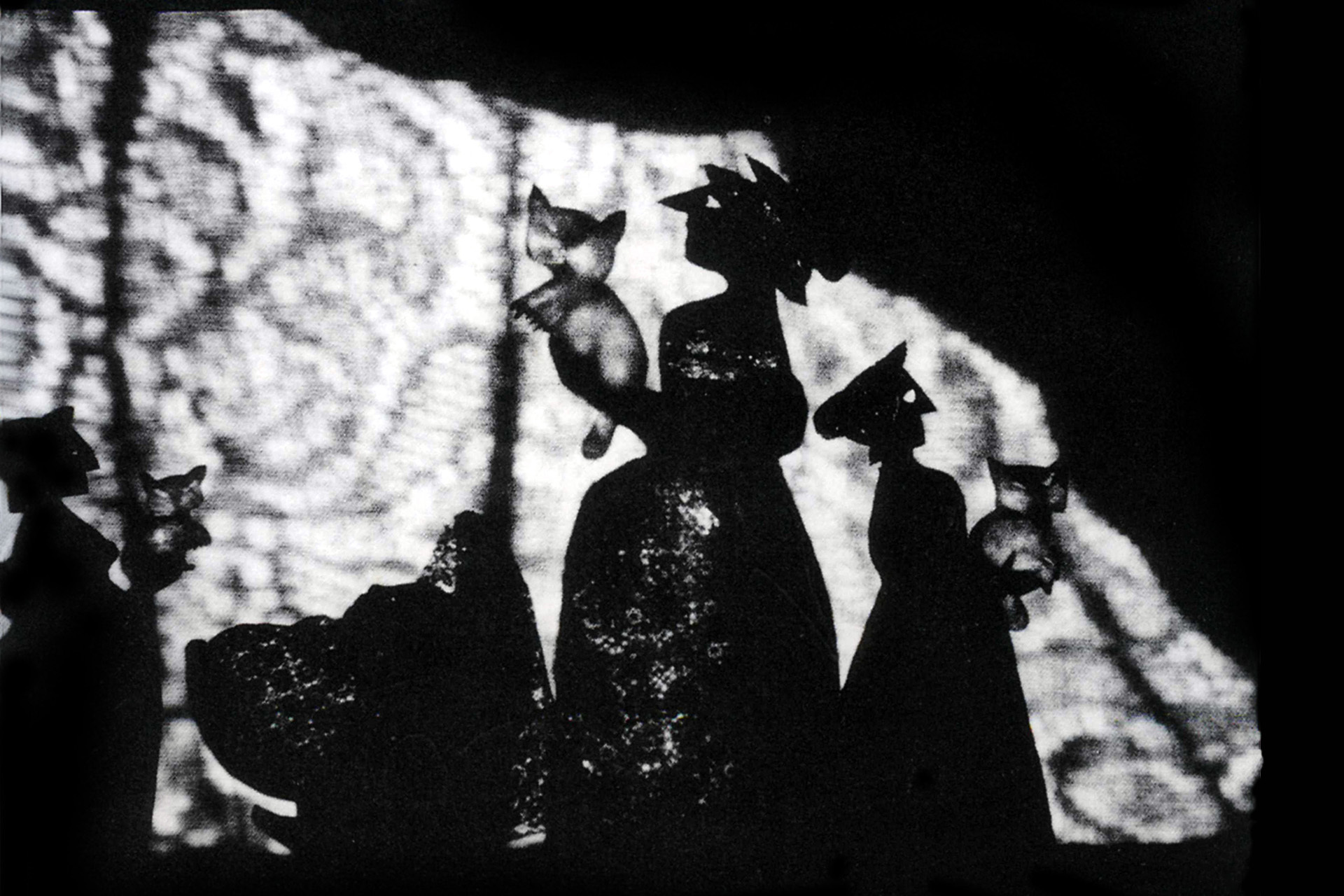
Photo © da ''La mia scena è un bosco''
From the beginning of the Eighties until today innumerable exhibitions were devoted to Luzzati (it is enough to remember that of 1993 at the Centre Georges Pompidou in Paris) and honors and prizes were conferred to him in every part of the world.
Silhouettes for The Nutcracker, a production of the 1989 by the Aterballetto of Reggio Emilia with choreography by Amedeo Amodio ...
Silhouettes for The Nutcracker, a production of the 1989 by the Aterballetto of Reggio Emilia with choreography by Amedeo Amodio ...
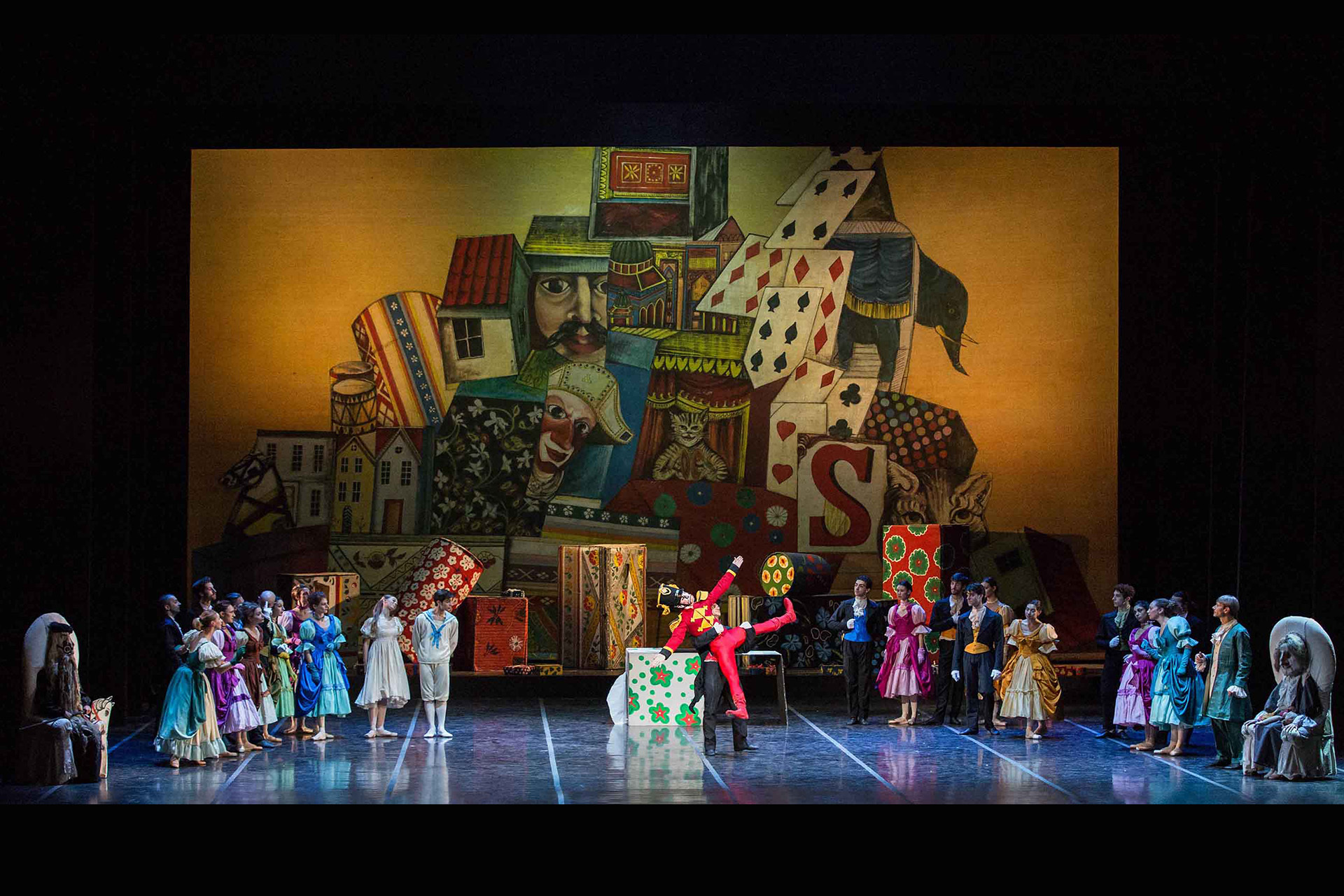
Photo © Yasuko Kageyama / Teatro dell'Opera di Roma
... here in a revival by the Teatro dell'Opera di Roma
It continues with the creation of theatrical sets for productions of the highest level: with the Teatro Regio in Turin, the Teatro alla Scala in Milan ...
It continues with the creation of theatrical sets for productions of the highest level: with the Teatro Regio in Turin, the Teatro alla Scala in Milan ...
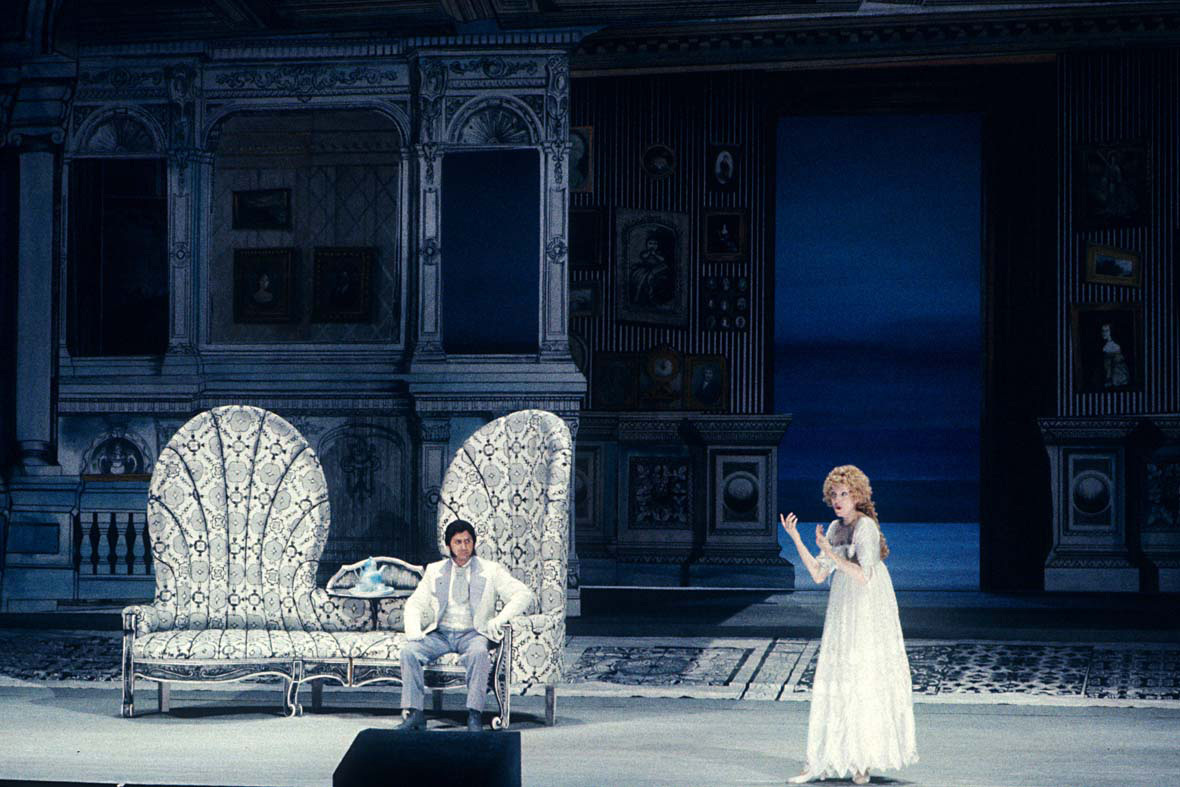
Photo © Amati Bacciardi / Rossini Opera Festival
... and with the Rossini Opera Festival of Pesaro, in the image a scene from The Turk in Italy, staging of 1983.
His activity of illustrator, however, proceeds with great intensity, sided by important realizations for the theater and by teaching: from 1982 to 1990 he is teacher of illustration to the Politecnico Byron in Genoa, from 1993 he directs the school of scenography of the Teatro della Tosse.
His activity of illustrator, however, proceeds with great intensity, sided by important realizations for the theater and by teaching: from 1982 to 1990 he is teacher of illustration to the Politecnico Byron in Genoa, from 1993 he directs the school of scenography of the Teatro della Tosse.
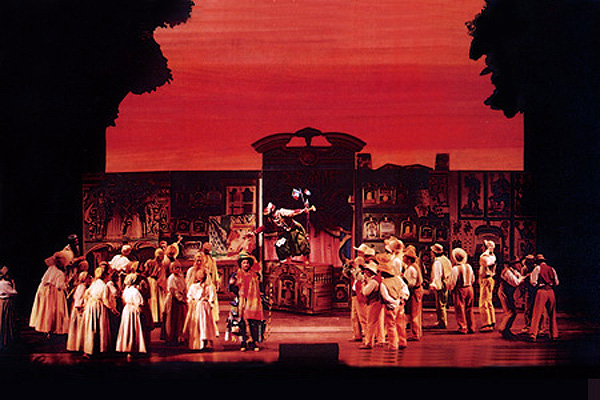
Photo © Morando
Театр Карл Феликс, ''Любовный напиток''
A painted backdrops made of ASC1000S - Sceno 1.000 cm muslin.
«Each of us has something that he has been carrying around since he was a child, and then ...»
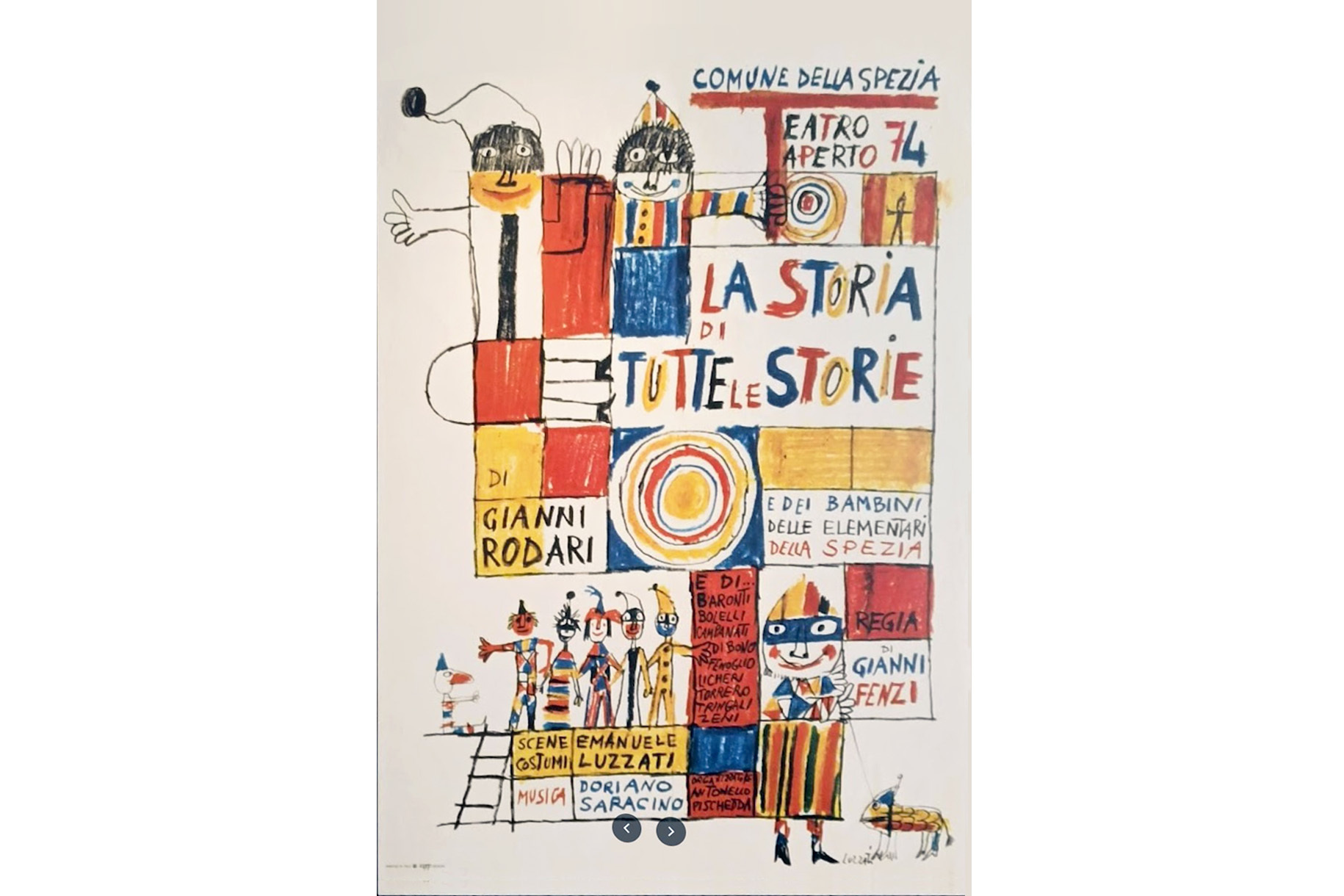
Photo © Emanuele Luzzati
«... when I make a book, a show for children, a game, a nursery rhyme, I look for my part that has remained small.»
Poster for one of the many performances of The story of all stories by Gianni Rodari, here in a version for elementary school children from La Spezia ...
Poster for one of the many performances of The story of all stories by Gianni Rodari, here in a version for elementary school children from La Spezia ...
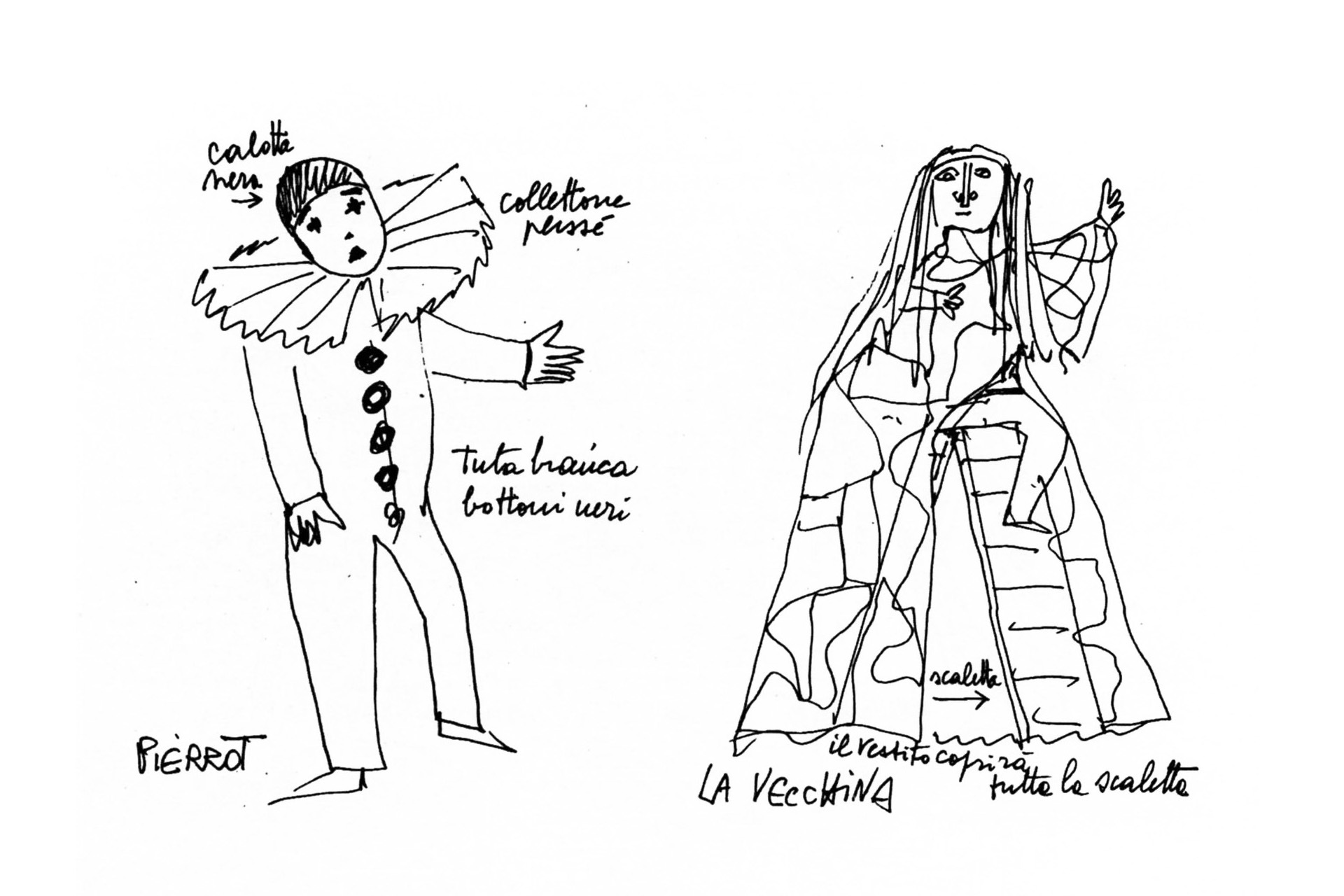
Photo © da ''La mia scena è un bosco''
... while these are the sketches for the costumes of a subsequent theatrical version of the Compagnia Giovani of Rome, Teatro Eliseo, 1988, Luzzati in fact, he often designed the costumes for his own shows as well.
Although in the most cases these were realized by specialized tailorings, without his further retouches, Luzzati tells of some case in which things went quite differently:
«For some shows the choice of the costumes ...»
Although in the most cases these were realized by specialized tailorings, without his further retouches, Luzzati tells of some case in which things went quite differently:
«For some shows the choice of the costumes ...»
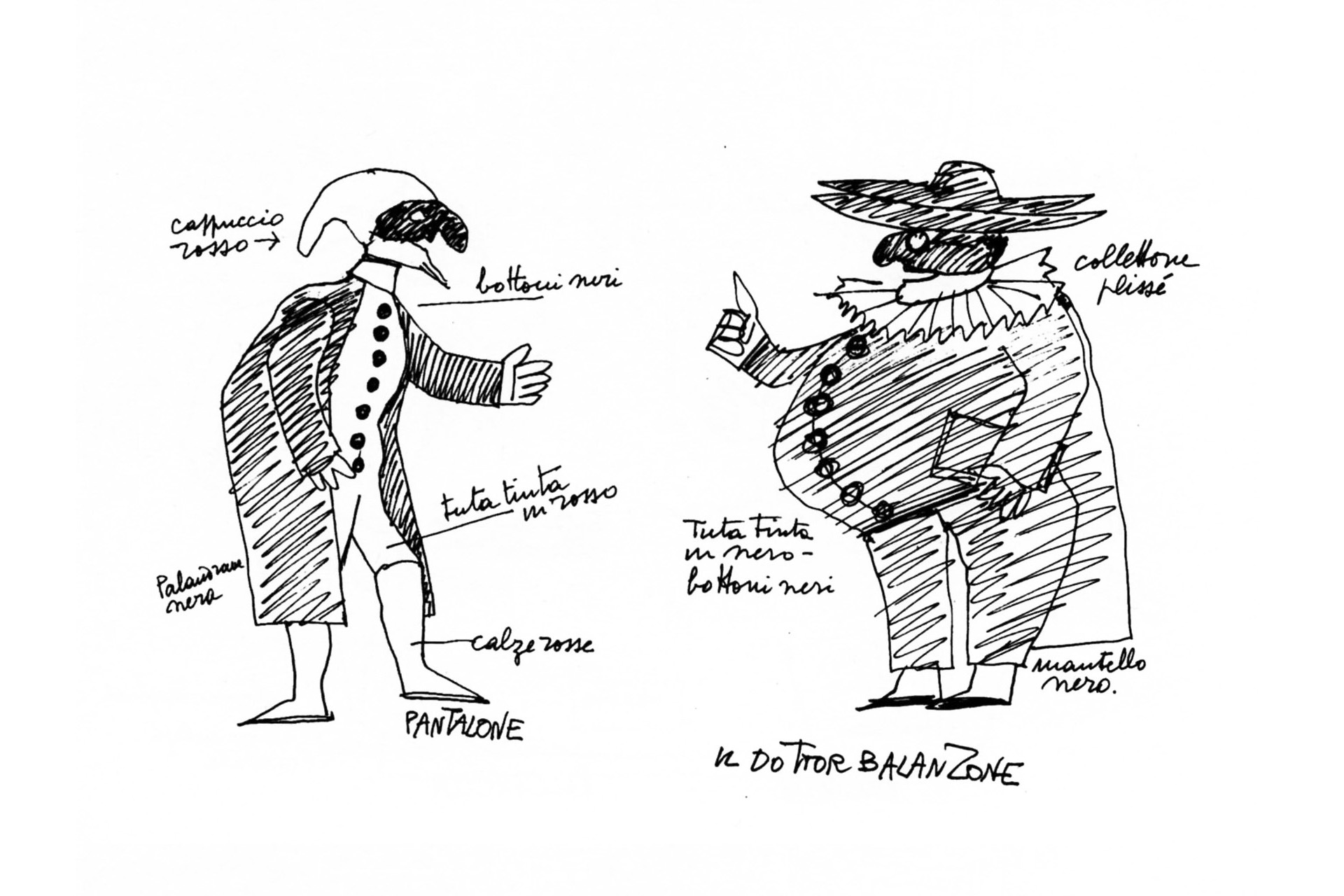
Photo © da ''La mia scena è un bosco''
«... somehow imposed me a strong intervention.
For instance, when we made The Tamed Shrew with the Compagnia dei Quattro, where the costumes were tailored even by the prompter, who was a good cutter, then I painted them by hand.
They were absolutely invented costumes and almost completely painted with a brush, often straight on the actors that would have worn them during the show.»
For instance, when we made The Tamed Shrew with the Compagnia dei Quattro, where the costumes were tailored even by the prompter, who was a good cutter, then I painted them by hand.
They were absolutely invented costumes and almost completely painted with a brush, often straight on the actors that would have worn them during the show.»
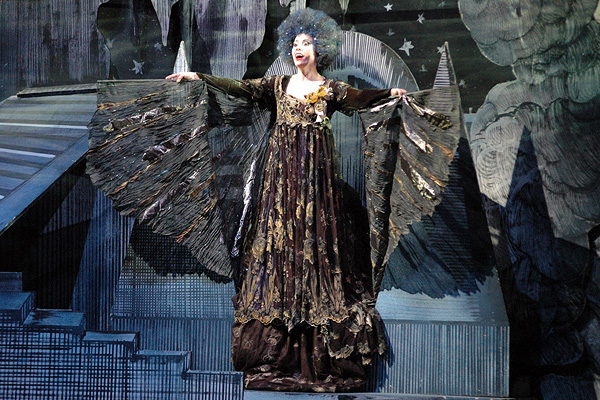
Photo © Morando / Teatro Carlo Felice
Театр Карл Феликс, ''Волшебная флейта''
The Queen of the Night.
Sometimes it is not possible, working with a great set designer, to identify a boundary between the work of creation and that of realization and the reason is that often there is not:
«Artist or craftsman? I make no distinctions.»
Emanuele Luzzati dies suddenly in 2007 ...
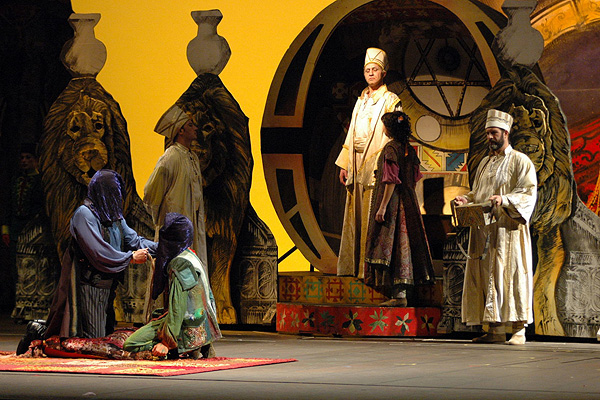
Photo © Morando / Teatro Carlo Felice
... in the house where he was born 85 years earlier. He works to the last, invariably faithful to his highly recognizable scenographic style, made up of drawing and colour, painted canvases, Half portals, Periacts and Set pieces which are often equipped with doors, drawers and trapdoors.
One of the most easily attributable styles of the 20th century and, at the same time, always miraculously shining with new and regenerated freshness.
One of the most easily attributable styles of the 20th century and, at the same time, always miraculously shining with new and regenerated freshness.